
How to Identify and Treat Common Summer Tree Pests
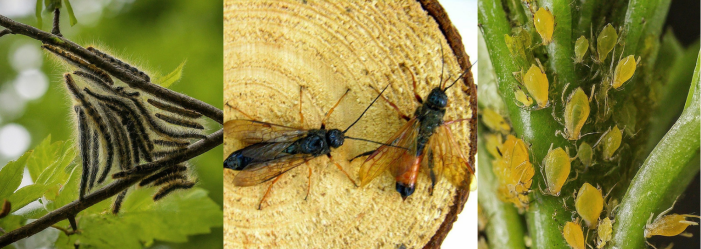
Summer is a crucial time for tree health, as warm weather brings a surge of pest activity. Pests like aphids, caterpillars, and beetles can cause significant damage if not managed promptly. Understanding how to identify and treat these common summer tree pests is essential for maintaining the vitality and beauty of your trees.
Identifying Common Summer Tree Pests
Aphids:
Identification: Aphids are small, soft-bodied insects, usually green, yellow, brown, or black. They cluster on the underside of leaves, stems, and branches. A telltale sign of an aphid infestation is the presence of a sticky substance called honeydew, which can lead to sooty mold growth.
Damage: Aphids feed by sucking sap from the tree, causing leaves to curl, yellow, and drop prematurely. Heavy infestations can stunt tree growth and weaken overall health.
Caterpillars:
Identification: Caterpillars are the larval stage of butterflies and moths. They vary in size and color but are generally recognizable by their elongated, segmented bodies. Common types include tent caterpillars, gypsy moth caterpillars, and bagworms.
Damage: Caterpillars chew on leaves, creating holes and sometimes defoliating entire branches. Severe infestations can significantly reduce a tree's ability to photosynthesize, leading to reduced growth and increased susceptibility to other stresses.
Beetles:
Identification: Beetles come in various shapes and sizes, from the tiny bark beetle to the larger Japanese beetle. They can be identified by their hard, shell-like exteriors and distinctive antennae. Bark beetles often leave small holes and sawdust-like frass on the bark surface.
Damage: Beetles can cause extensive damage by boring into wood, disrupting the flow of water and nutrients. This can lead to branch dieback, canopy thinning, and even tree death if the infestation is severe.
Managing Summer Tree Pests:
Aphid Control:
Natural Predators: Encourage natural aphid predators, such as ladybugs and lacewings, by planting a diverse array of flowering plants.
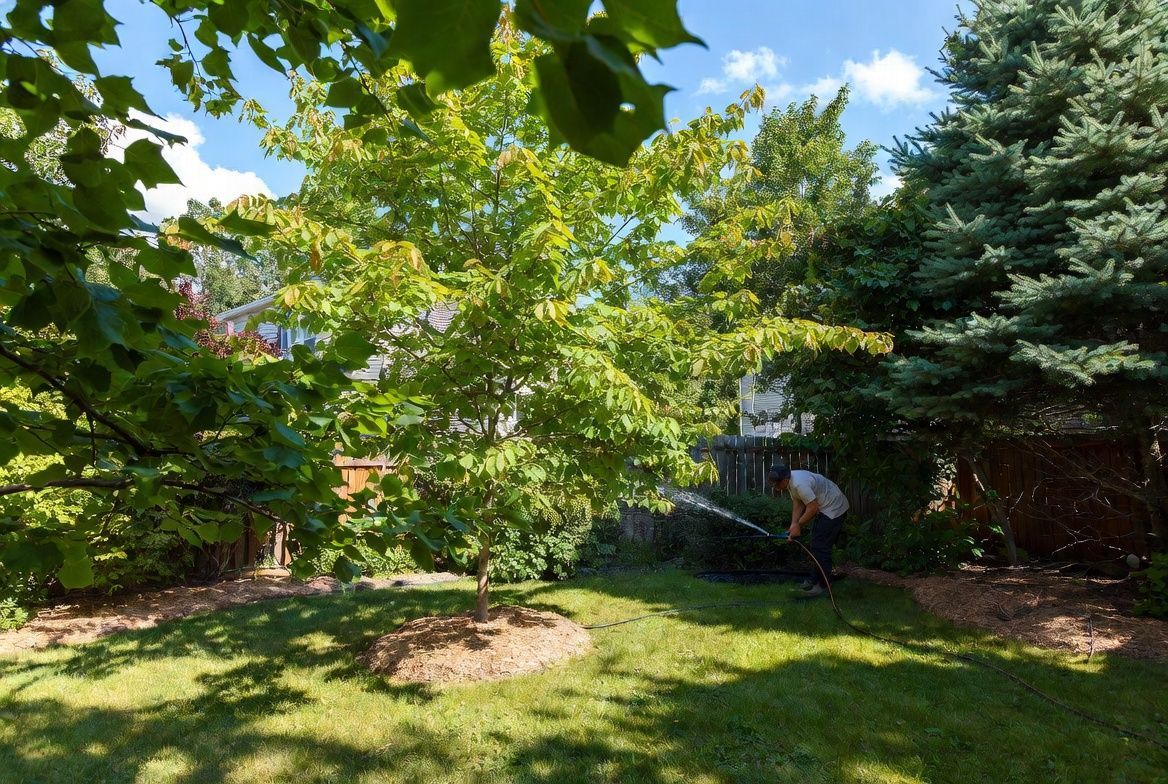
Water Spray: A strong spray of water can dislodge aphids from trees. This method is effective for small infestations.
Insecticidal Soap: Apply insecticidal soap or horticultural oils to infested areas. These treatments are effective and environmentally friendly.
Caterpillar Management:
Hand Removal: For small trees or manageable infestations, manually remove caterpillars and their nests.
Bacillus thuringiensis (Bt): This biological pesticide targets caterpillars specifically without harming beneficial insects. It is best applied when caterpillars are young and actively feeding.
Tree Banding: For caterpillars that crawl up tree trunks, use tree bands coated with a sticky substance to trap them.
Beetle Mitigation:
Pruning and Disposal: Remove and destroy infested branches to reduce beetle populations. Dispose of the wood properly to prevent further spread.
Systemic Insecticides: For severe infestations, systemic insecticides can be applied to the soil or injected into the tree. These treatments are absorbed by the tree and kill beetles feeding on it.
Trap and Monitor: Use pheromone traps to monitor and manage beetle populations, especially for bark beetles.
Conclusion:
Effective pest management is crucial for maintaining healthy trees during the summer months. By identifying and addressing pest issues early, you can protect your trees from significant damage and ensure they continue to thrive. Remember, a proactive approach, combined with integrated pest management practices, is the best strategy for keeping your trees healthy and beautiful all summer long. If infestations are severe or persistent, consult with a certified arborist for professional advice and treatment options.
Anjoe Tree Service Field Notes