
As the owner of Anjoe Tree Service, I’ve spent years working in this industry, building a business I’m proud of, investing in quality equipment, training great people, and—just as importantly—maintaining the proper insurance coverage to protect my customers, my employees, and my company.
Unfortunately, in recent years I’ve watched a troubling trend grow across the tree care industry: more and more companies operating with minimal or completely inadequate insurance coverage.
On the surface, it might look like these companies are simply “helping homeowners save money” with cheaper quotes. In reality, they’re pushing financial and legal risk onto homeowners while putting workers in harm’s way. Tree work is dangerous, and cutting corners on insurance doesn’t make the job faster or more efficient—it makes it reckless.
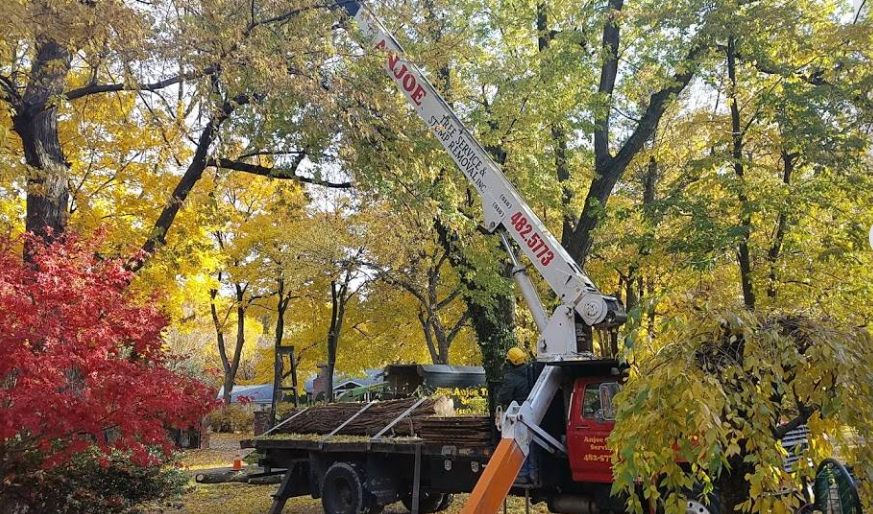
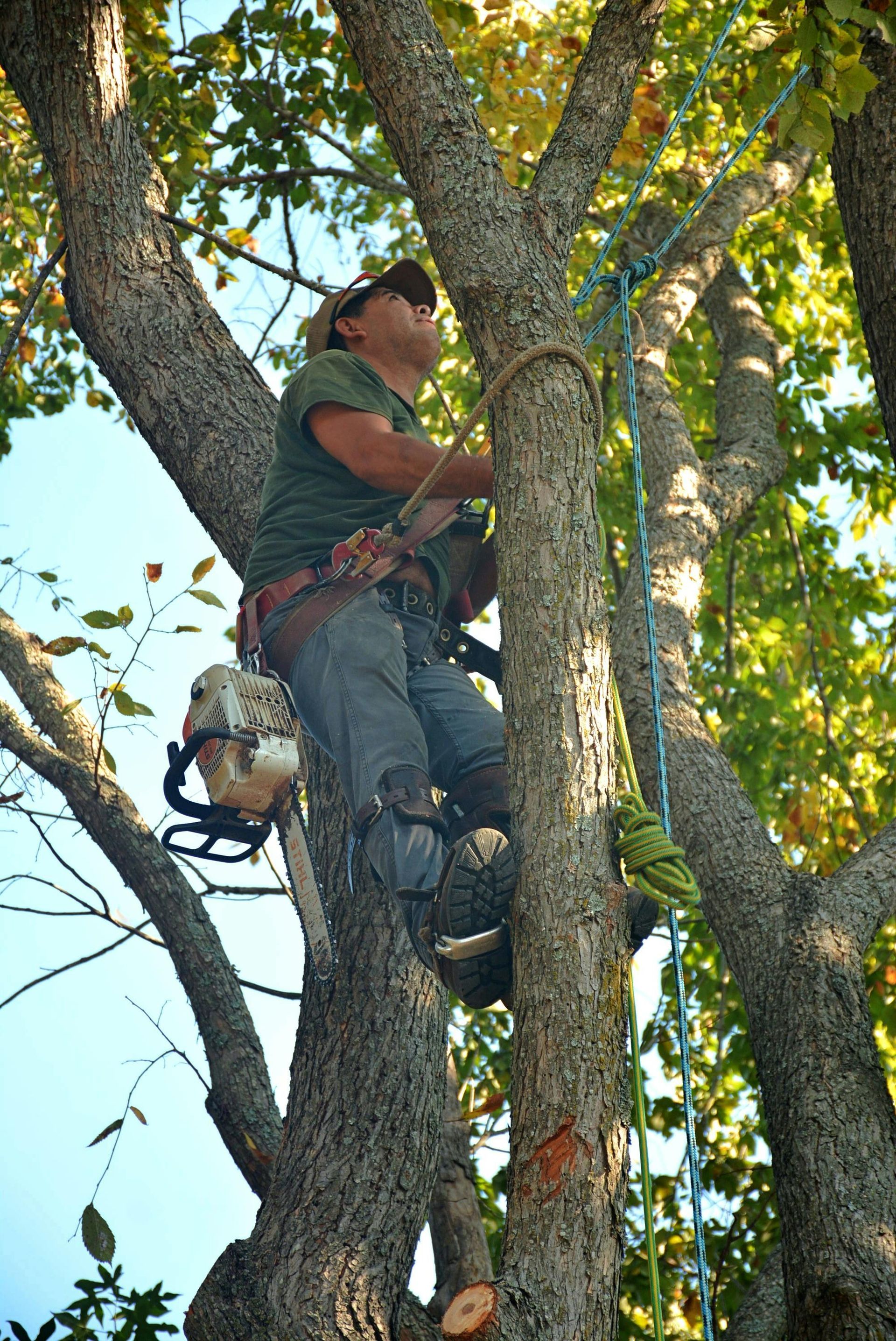
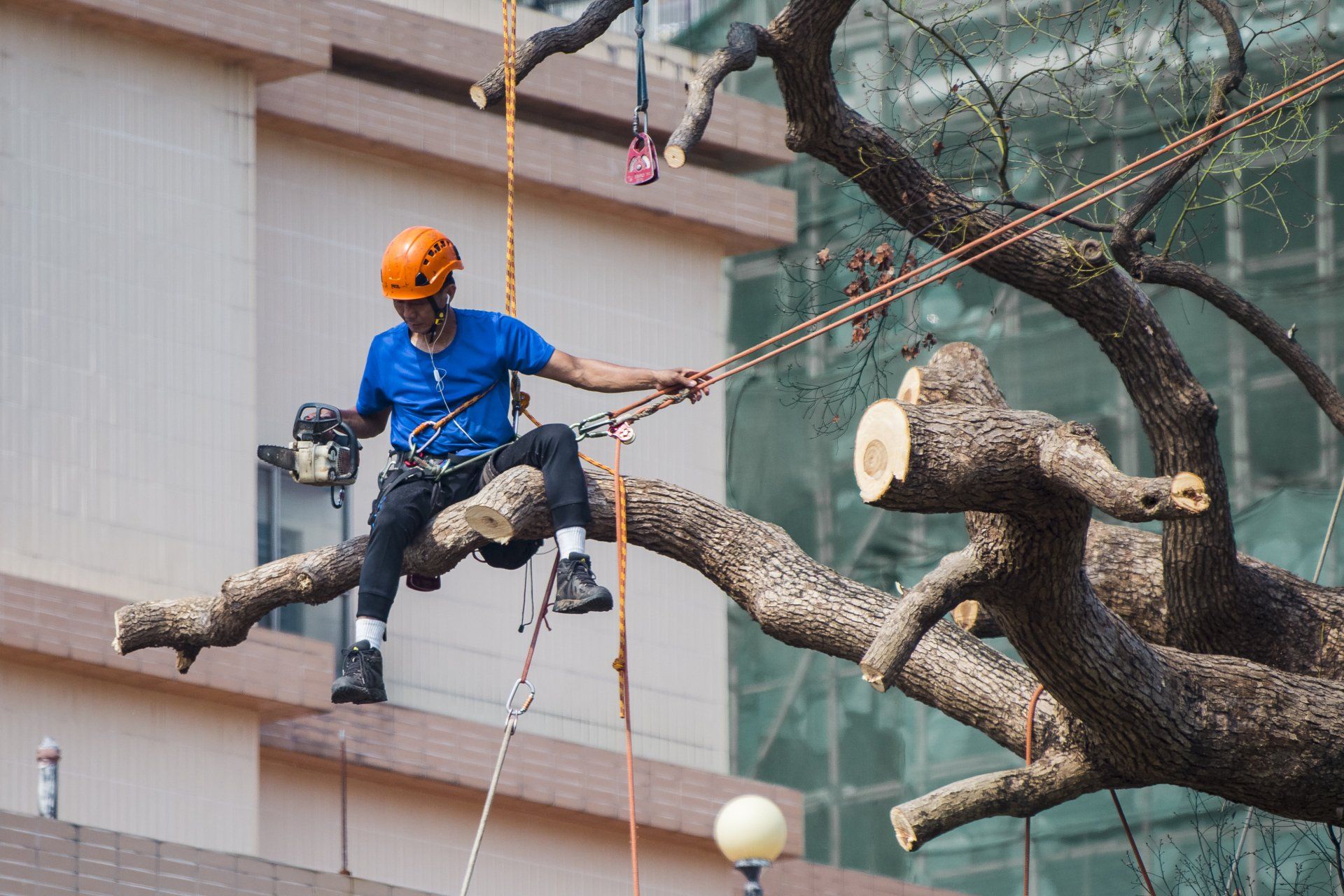
Tree care isn’t like mowing lawns or raking leaves. We are often working high off the ground, around power lines, heavy equipment, unpredictable tree behavior, and dangerous environmental conditions. Chainsaws, bucket trucks, cranes, and rigging systems all create exposure to potential injury or property damage. This is exactly why the tree industry carries some of the highest insurance costs in the service sector. When a company comes in drastically cheaper than everyone else, there’s usually a reason—and that reason is often lack of proper insurance.
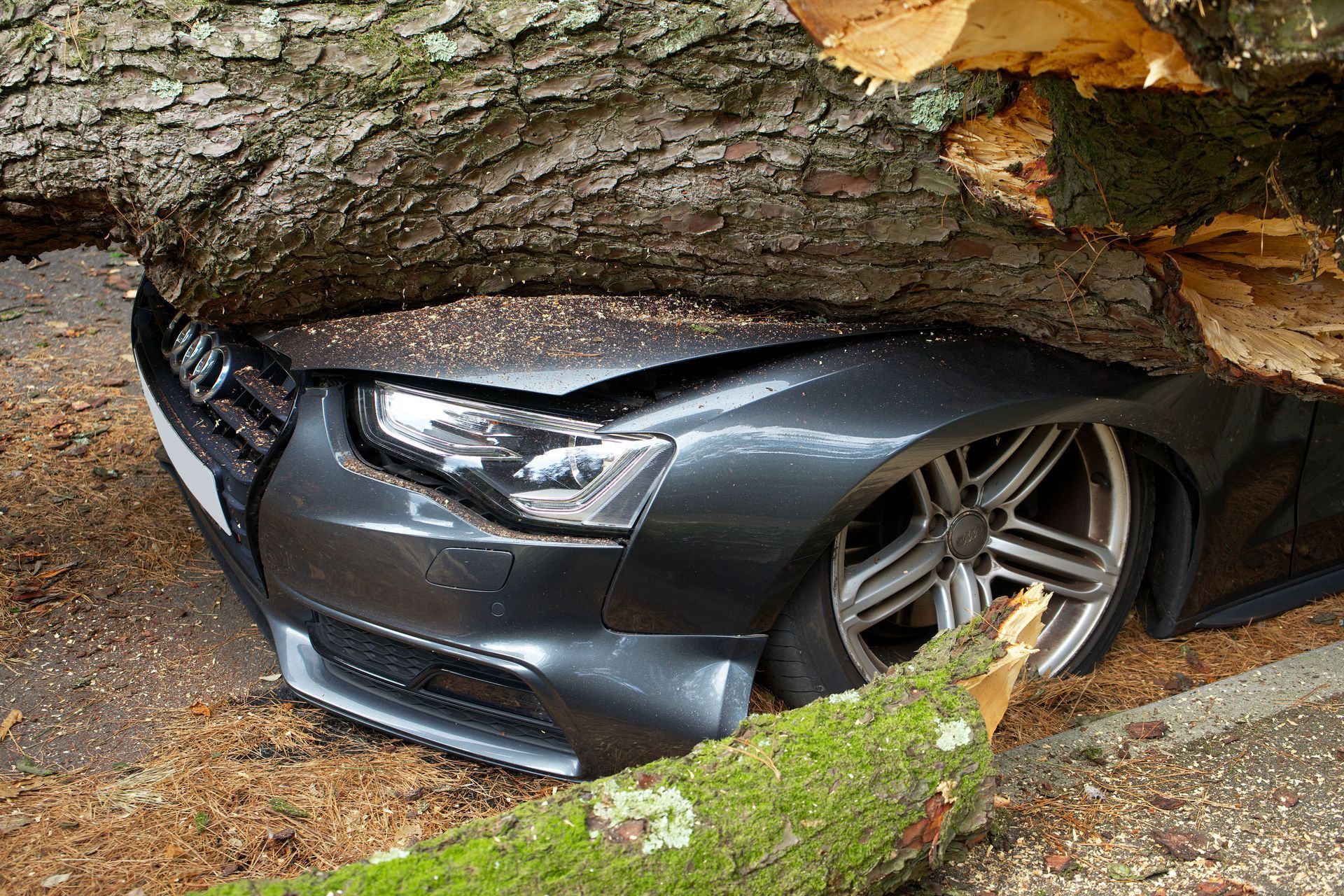
When a tree company does not carry sufficient general liability insurance, homeowners unknowingly take on the risk. If a limb crashes through your roof, damages your car, or destroys part of your property, you may be stuck fighting your own homeowner’s insurance company or paying out of pocket. Even worse, if the tree company has no insurance at all, you may end up in court, facing delays, expenses, and endless headaches trying to chase someone who was never prepared to fix the problem to begin with.
Worker’s compensation insurance is another critical coverage many of these “budget” companies skip. Tree work consistently ranks among the most dangerous professions in the country. If a worker falls, is struck by a limb, or suffers an accident on your property and the company does not have worker’s comp, the homeowner can be held liable. That means lawsuits, long court battles, potential liens placed on your home, and devastating financial consequences for something you assumed was covered. I’ve spoken with homeowners who had no idea they could be held responsible for a contractor’s employee injury. Sadly, they usually learn about it too late.
Incomplete or deceptive insurance practices also hurt the entire professional tree care industry. Responsible companies who do things the right way—who carry full coverage, follow safety protocols, and invest in training—are put at a pricing disadvantage against those who cut corners. When unqualified operators flood the market with artificially low prices, it drags down industry standards. It makes it harder for legitimate businesses to compete. And ultimately, it erodes public trust in our profession.
Another major concern is employee safety. When a company refuses to carry proper worker’s compensation insurance, they are signaling something important: their workers aren’t truly valued. If a business won’t invest in protecting its own team, what does that say about their long-term stability, ethics, and commitment to professionalism? Tree workers deserve to know that if something goes wrong while they’re risking their lives, their families will be protected and they’ll receive the care and financial coverage they need.
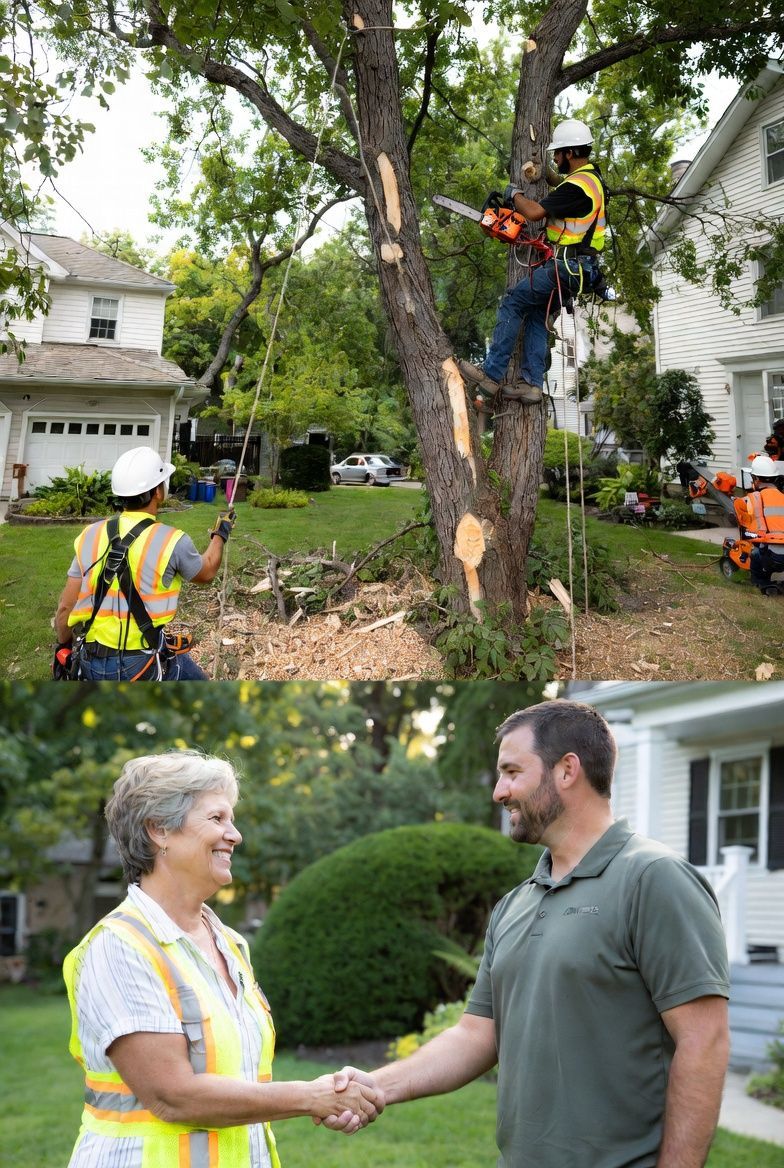
I’ve also seen situations where companies claim to be insured, but homeowners never ask to see proof. That’s a costly mistake. Anyone can say they’re insured. Responsible, legitimate companies will happily provide certificates of insurance, and not just generic paperwork, but documentation that specifically lists tree care operations—not landscaping, not handyman services, not a vague “service company” description. If a company hesitates to show proof, makes excuses, or offers expired documentation, that’s a major red flag.
- "Doing business the right way costs money, but it also provides peace of mind. My customers trust me because they know I take every measure possible to ensure safety, accountability, and professionalism. I work hard to deliver quality service, but I also work hard to make sure that if the unexpected happens, everyone involved is protected." -Joe Lipuma
At the end of the day, homeowners want one thing: to hire a tree company and not have to worry. You shouldn’t have to study insurance policy language or dread “what if” scenarios. You shouldn’t have to gamble your home, your finances, or your peace of mind just to remove a dangerous tree or trim overhanging branches. You deserve to feel confident that the company you chose is reputable, responsible, and fully prepared for whatever may happen.
That’s why at Anjoe Tree Service, we proudly carry all necessary liability insurance, comprehensive coverage, and full worker’s compensation. We do it because it’s the right thing to do for our customers and our employees. It protects homeowners from financial risk, shields families from unexpected legal battles, and ensures that every member of my team is cared for if something ever goes wrong.
When you hire us, you’re not just hiring a crew with saws and trucks—you’re hiring a company built on integrity, responsibility, and respect for the people we serve.
If you ever have questions about insurance coverage, ask. A trustworthy tree company will never hesitate to prove they’re properly insured. I certainly won’t. At Anjoe Tree Service, we’re committed to operating in a way that maximally protects the homeowner’s interests and the safety and well-being of our employees—because that’s what true professionalism looks like.
Anjoe Tree Service Field Notes