
What to Inspect as Buds Begin to Break
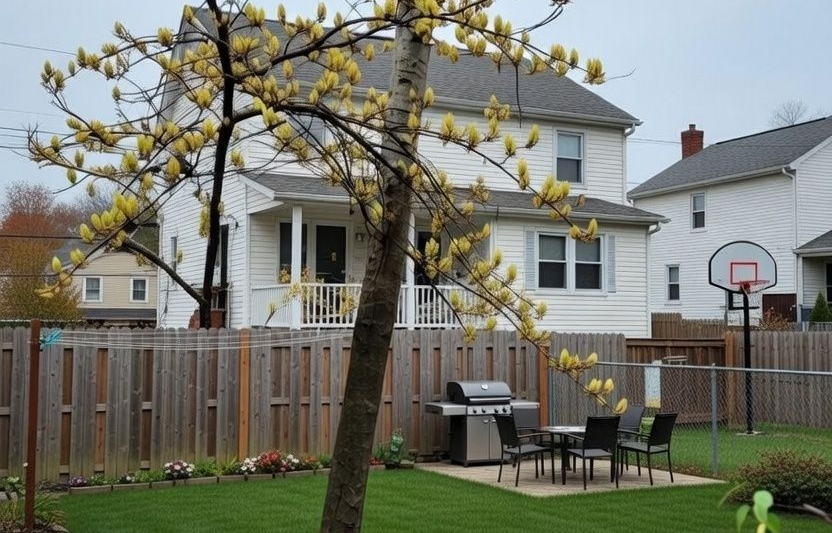
As the last patches of snow melt from Albany yards and the first warm days of March and April arrive, your trees are waking up. Buds begin to break, signaling the start of the growing season in New York’s Capital District. For homeowners in Albany, Schenectady, Troy, and surrounding areas, this is the perfect window to perform a thorough spring tree health checklist. Catching issues early after a harsh Upstate New York winter can prevent costly damage, improve tree longevity, and keep your property safe.
Neglecting spring tree care in Albany NY often leads to problems later in the season. Heavy snow, ice storms, and fluctuating temperatures common in our region leave hidden damage that only becomes visible as buds swell and leaves emerge. A quick inspection now saves money on emergency tree removal Albany NY and protects your landscape investment. This comprehensive 7-step checklist will guide you through exactly what to look for as buds begin to break — and when it’s time to call a professional arborist Albany NY.
Why Spring Is the Ideal Time for Tree Inspections in Albany NY
Albany’s climate (USDA Zone 5b) delivers cold, snowy winters followed by wet, unpredictable springs. Winter damage from ice loading and high winds often weakens branches and trunks. Once buds break, you can spot issues before full foliage hides them. Early detection also lets you address pests and diseases before they spread — think emerald ash borer, spongy moth, or fungal issues that thrive in our humid springs.
A professional spring tree care Albany inspection improves storm resistance, boosts curb appeal, and increases property value. Homeowners who stay proactive with tree health checklists report fewer insurance claims after summer storms. Ready to start? Grab gloves, a notebook, and binoculars — let’s walk through your trees step by step.
Step 1: Examine Branches and Limbs for Winter Damage
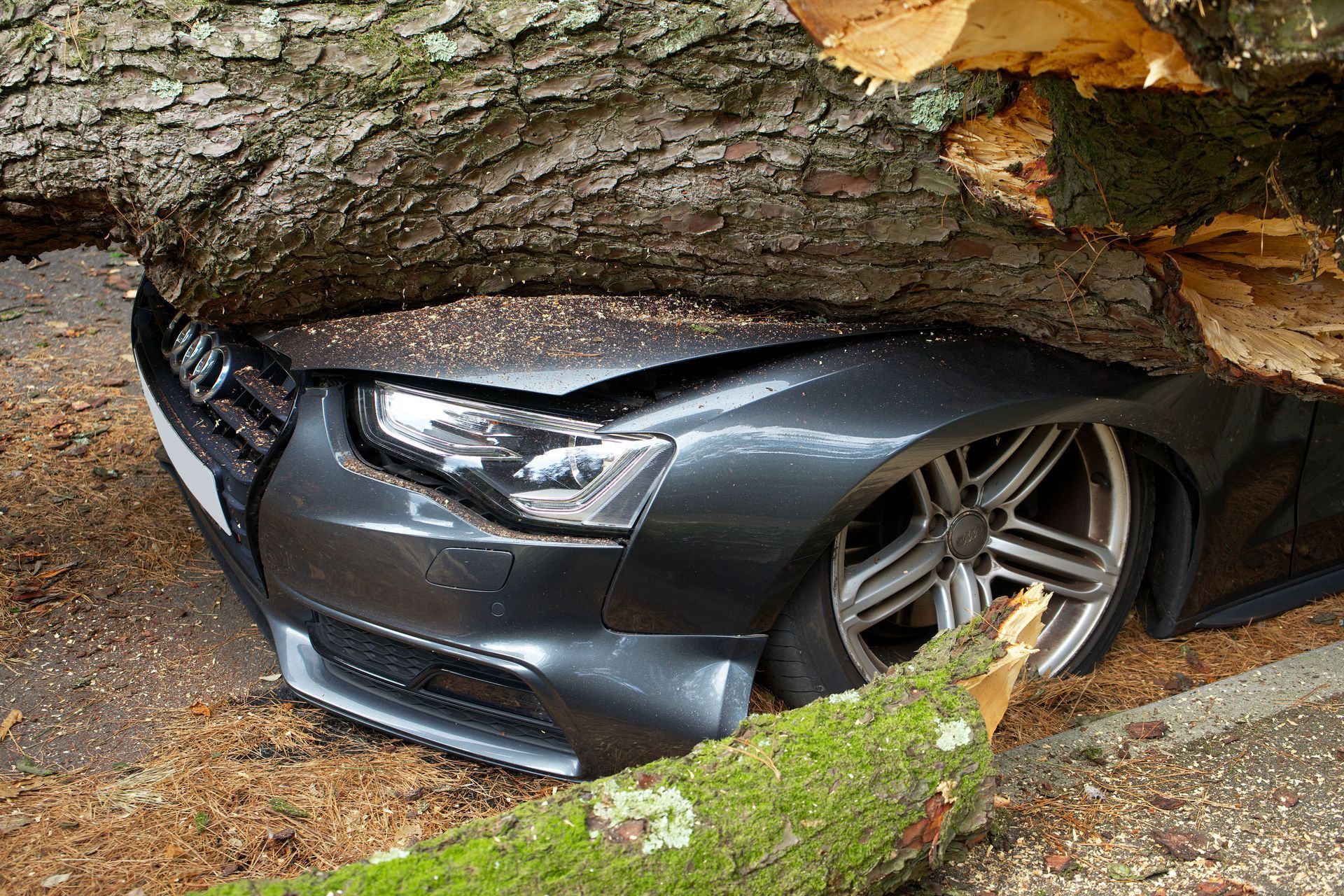
Start at ground level and work upward. Look for broken, hanging, or cracked branches — classic signs of winter damage in Albany. Ice storms and heavy wet snow frequently cause limbs to split or tear from the trunk.
Check for “V” shaped unions (weak attachments) versus strong “U” shaped ones. Crossing or rubbing branches create wounds that invite disease. As buds begin to break, dead branches stand out because they won’t show new growth.
Action item: Note any branches larger than 2 inches in diameter or hanging over roofs, power lines, or walkways. These require professional tree pruning Albany NY to prevent property damage or safety hazards. DIY pruning at this stage risks improper cuts that invite decay.
Step 2: Inspect the Trunk and Bark Closely
Walk completely around each tree and examine the trunk from base to first major branches. Look for:
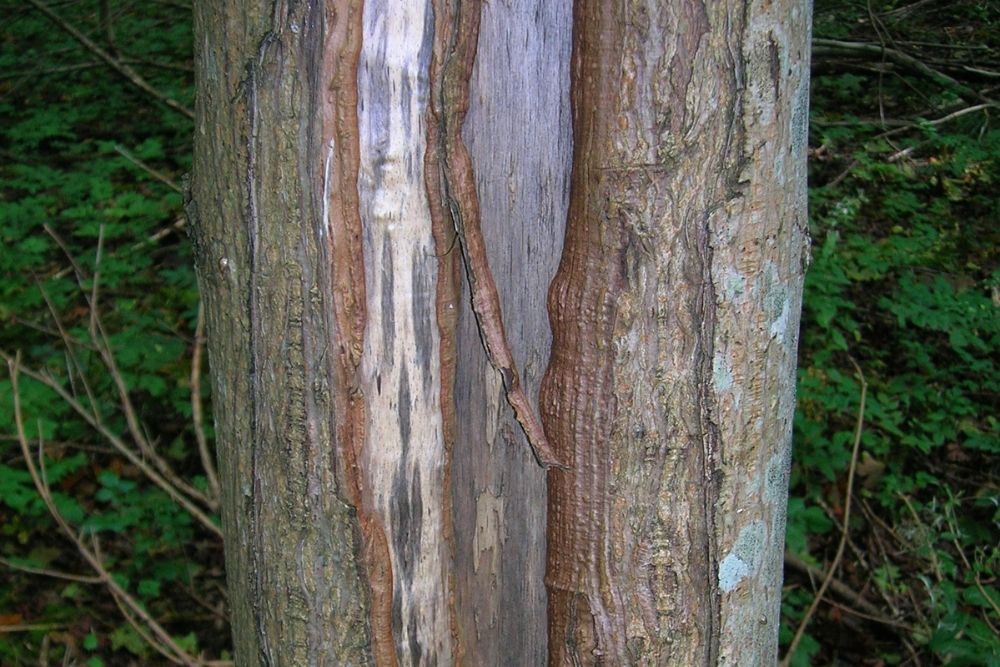
- Deep cracks or splits (frost cracks common after rapid freeze-thaw cycles in Albany)
- Loose or missing bark
- Fungal growth, cankers, or oozing sap
- Borer holes (small perfectly round or D-shaped exit holes)
Emerald ash borer has been active in the Capital District — check ash trees especially for “D” shaped holes and bark flaking. Any of these signs warrant immediate attention from a certified arborist Albany NY.
Pro tip: Gently tap suspicious areas. Hollow or spongy sounds indicate internal decay. Document everything with photos — this helps when getting quotes for tree service Albany NY.
Step 3: Monitor Buds and Emerging Foliage
This is the “as buds begin to break” moment. Healthy buds should be plump, symmetrical, and opening on schedule. Warning signs include:
- Delayed or uneven bud break
- Blackened or shriveled buds
- Leaves emerging with spots, curling, or unusual colors
- Sticky residue or tiny insects (aphids love fresh spring growth)
Wet spring weather in Albany promotes anthracnose and other leaf spot diseases. Beech leaf disease is also spreading in Upstate NY — look for dark banding between leaf veins on American beech trees.
If you notice these issues on multiple trees, it’s time for a professional tree health assessment. Early intervention through targeted insect and disease management can save entire specimens.
Step 4: Assess Roots and Surrounding Soil
Healthy roots are the foundation of spring tree vitality. Check for:
- Soil heaving or exposed roots (common after freeze-thaw cycles)
- Mulch piled against the trunk (“mulch volcanoes” cause rot)
- Compacted soil from foot traffic or construction
- Mushrooms or fungal mats at the base (sign of root rot)
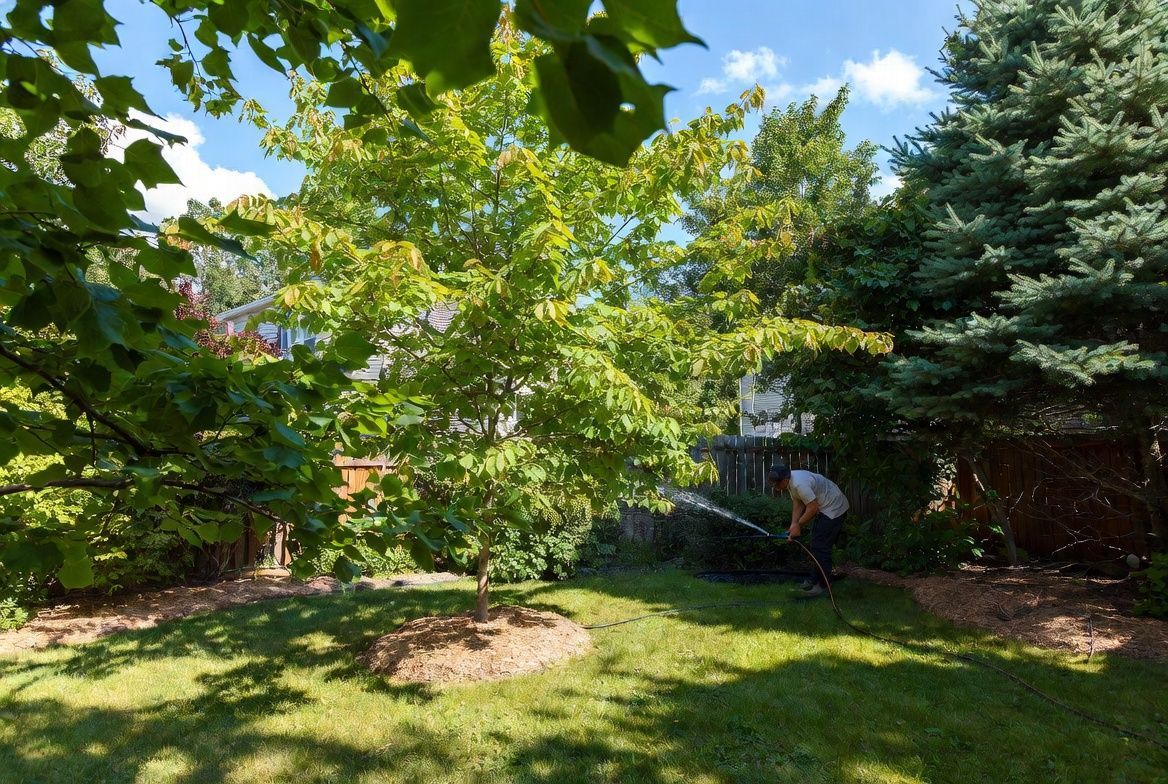
Albany’s clay-heavy soils often compact easily. Poor drainage after spring rains stresses roots and invites disease. Gently pull back mulch 2–3 inches from the trunk and ensure it forms a wide donut shape extending to the drip line.
Quick fix: Add 2–4 inches of fresh organic mulch if needed, but never let it touch the bark. For severe compaction or root issues, professional soil analysis and deep-root fertilization offered by local tree service Albany NY companies deliver dramatic results.
Step 5: Scan for Pests and Diseases Common to Albany Trees
Spring is prime scouting season for:
- Spongy moth egg masses (tan, fuzzy patches on bark)
- Hemlock woolly adelgid (white cottony spots on hemlock branches)
- Aphids and scale insects clustering on new growth
- Signs of oak wilt or Dutch elm disease (wilting leaves on otherwise healthy trees)
Our region’s warming trends and wet springs accelerate pest life cycles. Catching them now prevents defoliation and long-term decline. If you’re unsure what you’re seeing, don’t guess — misidentification can waste time and money.
Step 6: Evaluate Overall Structure and Stability
Step back and look at the whole tree. Does it lean significantly? Has the root flare lifted on one side? Multiple trunks with weak unions are prone to splitting during summer storms.
In Albany, where summer thunderstorms roll through quickly, structural weaknesses become major liabilities. Certified arborists use advanced tools to assess internal decay that isn’t visible to homeowners.
Step 7: Document and Schedule Professional Follow-Up
Take detailed notes and photos of every tree. Rank issues by urgency — safety hazards first. Even healthy-looking trees benefit from annual professional inspections.
Most Albany homeowners underestimate hidden damage. A single certified arborist visit in early spring prevents thousands in emergency costs later.
When to Call the Pros: Anjoe Tree Service in Albany NY
While this checklist empowers you to spot obvious problems, nothing replaces the trained eye of an ISA-certified arborist. Complex issues like internal decay, pest identification, or structural cabling require professional equipment and expertise.
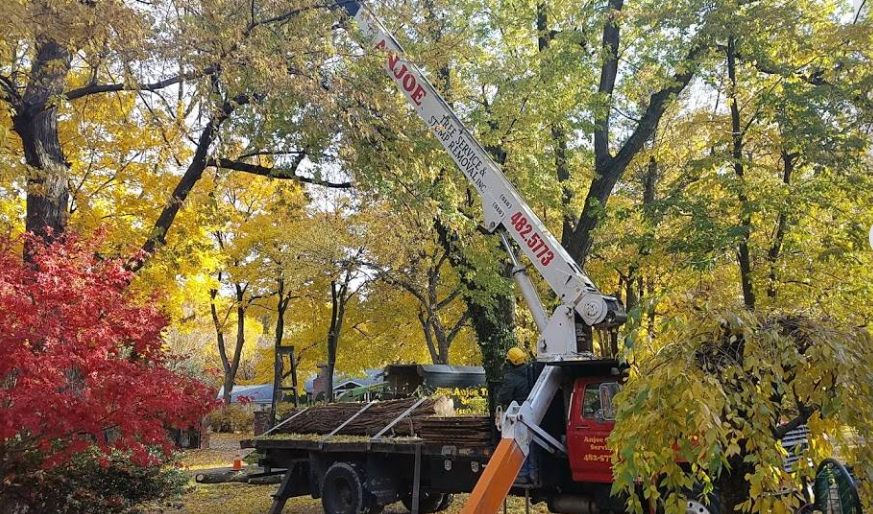
That’s where Anjoe Tree Service stands out as the trusted tree service Albany NY choice for Capital District homeowners. This family-owned local business has served Albany, Schenectady, Troy, Clifton Park, and surrounding communities for over 35 years. Every job features ISA-certified arborists who follow strict ANSI A300 standards and OSHA safety protocols.
Anjoe Tree Service offers complete spring tree care Albany programs including:
- Detailed tree health inspections
- Precision pruning and trimming
- Insect and disease management (including emerald ash borer and spongy moth treatments)
- Deep-root fertilization and soil analysis
- Cabling, bracing, and lightning protection
- Emergency storm response
They use state-of-the-art equipment, recycle 100% of debris, and provide transparent upfront pricing with free written estimates. Thousands of 5-star reviews praise their respect for property, thorough cleanup, and genuine care for both trees and customers.
Don’t wait until a branch crashes through your roof or disease spreads to neighboring trees. As buds break this spring, give your landscape the advantage of professional care.
Ready for your spring tree health checklist inspection in Albany NY?
Contact Anjoe Tree Service today at 518-482-5773 or visit www.anjoetreeservice.com for a free estimate. Same-day quotes are available, and their friendly team is happy to walk your property and create a customized plan.
Protect your trees, safeguard your home, and enjoy a healthier, more beautiful landscape all season long. Your Albany trees will thank you — and so will your neighbors.
Anjoe Tree Service Field Notes