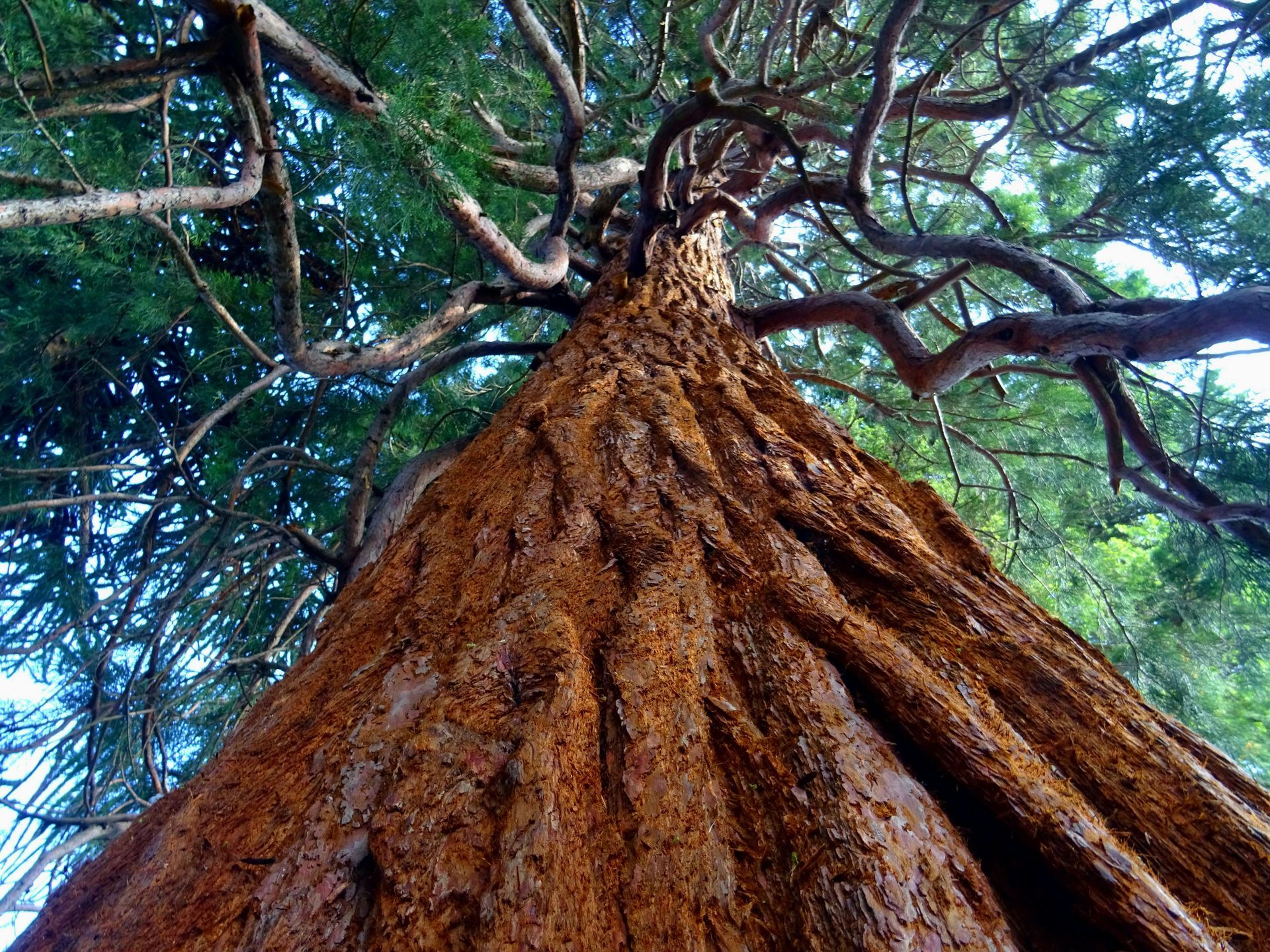

As cooler nights settle in across the Capital District and leaves begin their colorful shift, our trees enter one of the most important transition periods of the year.
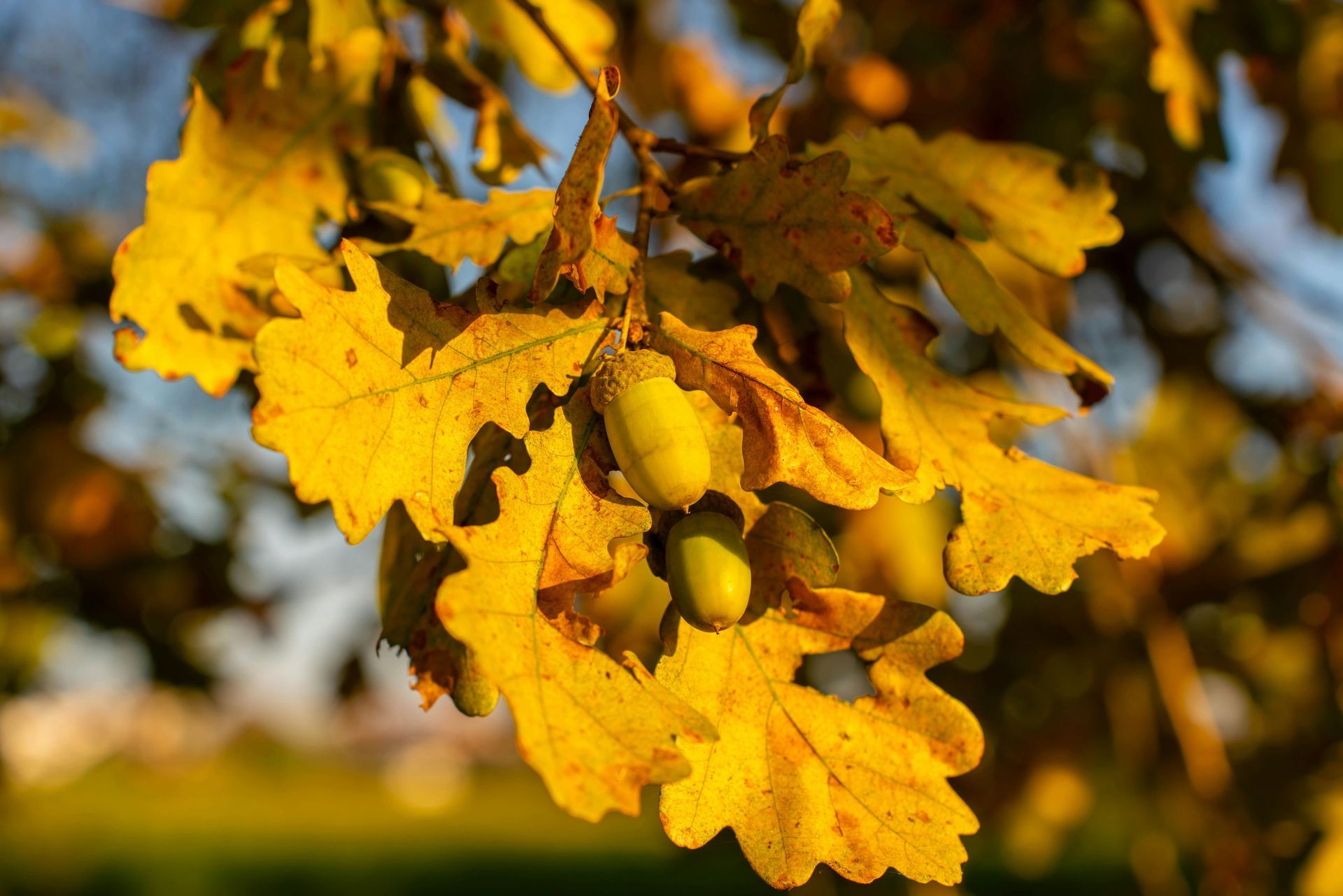
Late summer’s growth phase is ending, and fall is the time to help trees store energy, strengthen roots, and prepare for winter stresses common in Albany, Schenectady, Troy, Clifton Park, and surrounding communities.
At Anjoe Tree Service, with more than 35 years serving the Capital District, we’ve seen how proactive fall care reduces winter damage, improves spring vigor, and protects property. Here’s a practical, locally tailored guide for homeowners.
Why Fall Tree Care Matters in Upstate New York
Upstate NY falls bring variable weather—warm days, chilly nights, occasional early frosts, and the start of leaf drop. Trees are moving nutrients from leaves into roots and trunks. Key priorities now:
- Build root reserves before the ground freezes.
- Reduce structural risks from ice, snow, and wind.
- Address pests and diseases before they overwinter.
- Improve overall resilience so trees enter dormancy healthy.
Common local species (maples, oaks, ashes, pines, birches) benefit greatly from timely attention this season.
Fall Tree Care Checklist for Capital District Homeowners
1. Deep Watering Before Dormancy
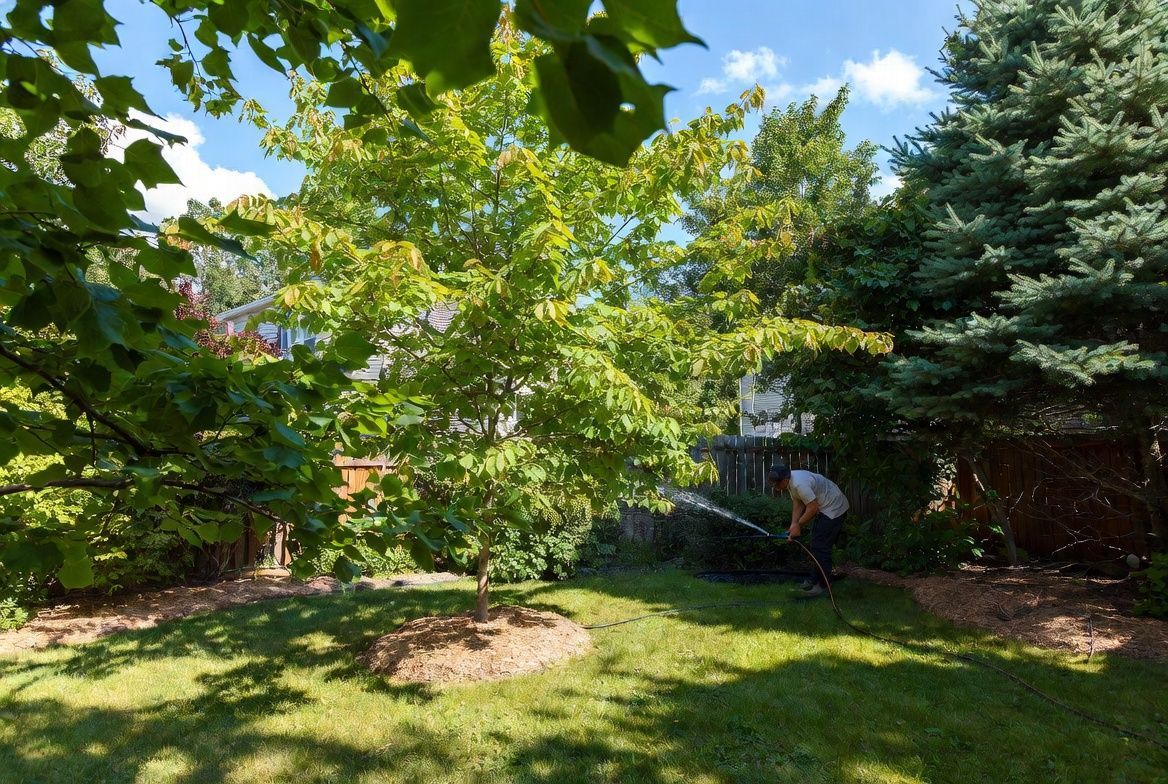
Continue deep watering until the ground freezes, especially during dry spells. Focus on the root zone out to the drip line. Newly planted and young trees need consistent moisture; mature trees still benefit if rainfall is light. Early morning watering is ideal. Check soil 6–8 inches down—it should stay cool and moist but not waterlogged (clay soils common around Albany hold moisture longer).
2. Mulch Refresh
Apply or top off a 2–4 inch layer of organic mulch (wood chips or shredded bark) extending to the drip line. Keep it 2–3 inches away from the trunk to prevent rot and rodent issues. Fresh mulch insulates roots, retains moisture, and suppresses weeds heading into winter.
3. Strategic Pruning
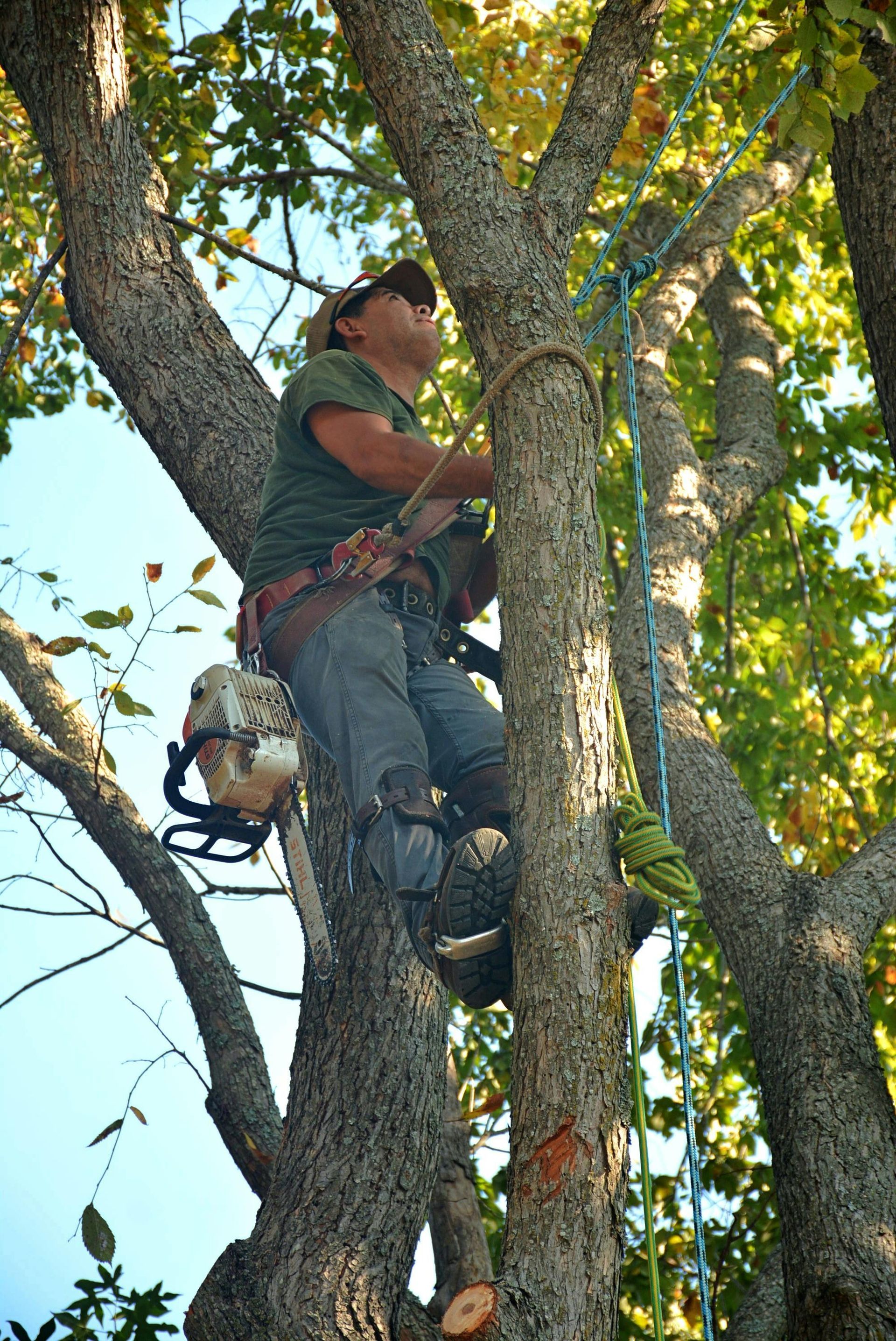
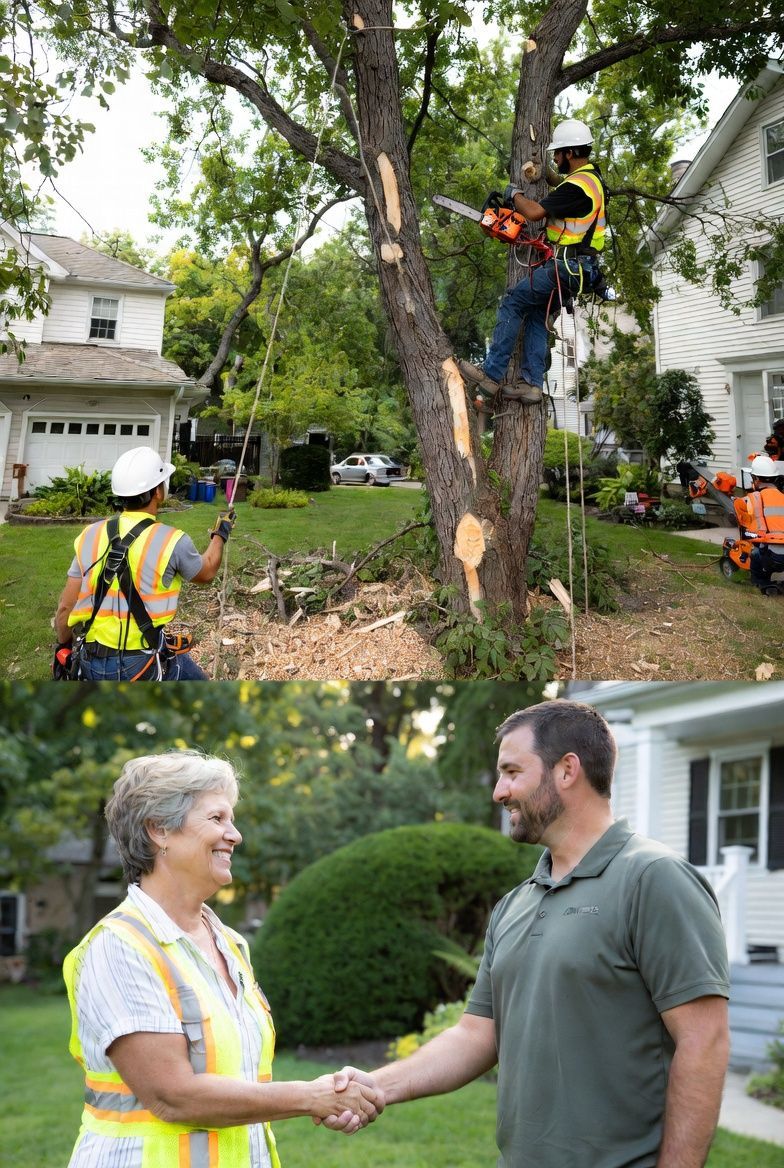
Fall (after leaf drop for many deciduous trees, or carefully while still in leaf for assessment) is excellent for removing dead, damaged, crossing, or weakly attached branches. This reduces winter breakage risk and improves structure. Avoid heavy pruning of oaks in fall if possible to limit certain pest attraction, and never top trees. For large limbs, height work, or trees near power lines/homes, call certified professionals—safety and proper cuts matter.
4. Pest, Disease & Insect Inspection
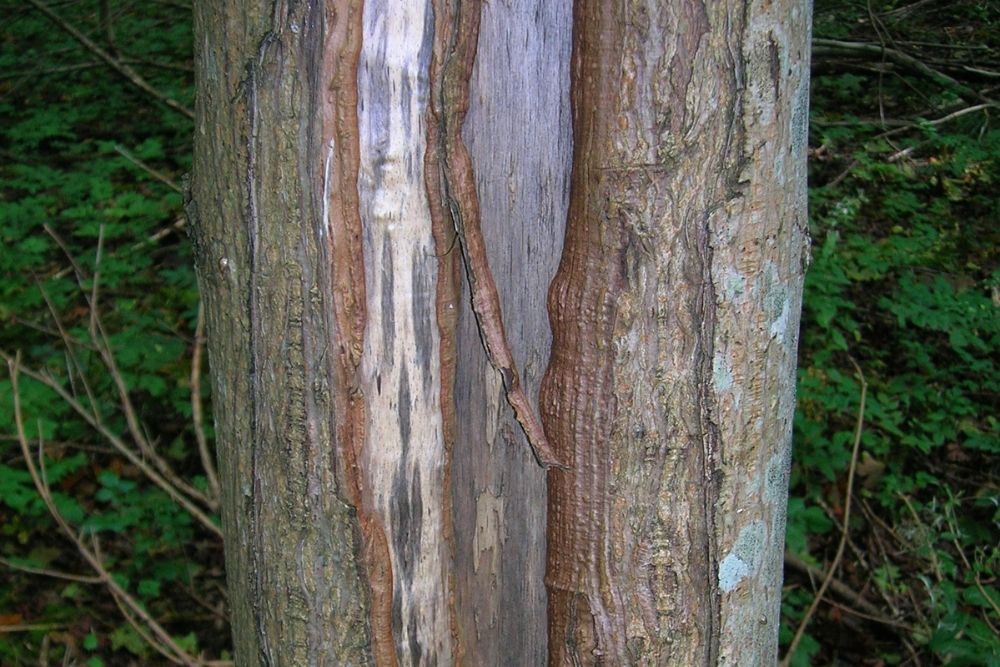
Inspect for lingering summer pests (Japanese beetles, aphids, scale) and signs of borers or fungal issues. Remove heavily infested or diseased material and clean up fallen leaves/debris that can harbor problems over winter. Emerald ash borer remains a regional concern—watch for thinning canopies or exit holes on ash trees. Early professional diagnosis and treatment options can save trees.
5. Soil Care & Light Nutrition
Fall is a good window for soil testing (Cornell Cooperative Extension is a solid local resource). Address major deficiencies with slow-release or organic amendments focused on root health rather than high-nitrogen fertilizers that push soft growth. Compost top-dressing can help.
6. Storm & Winter Readiness
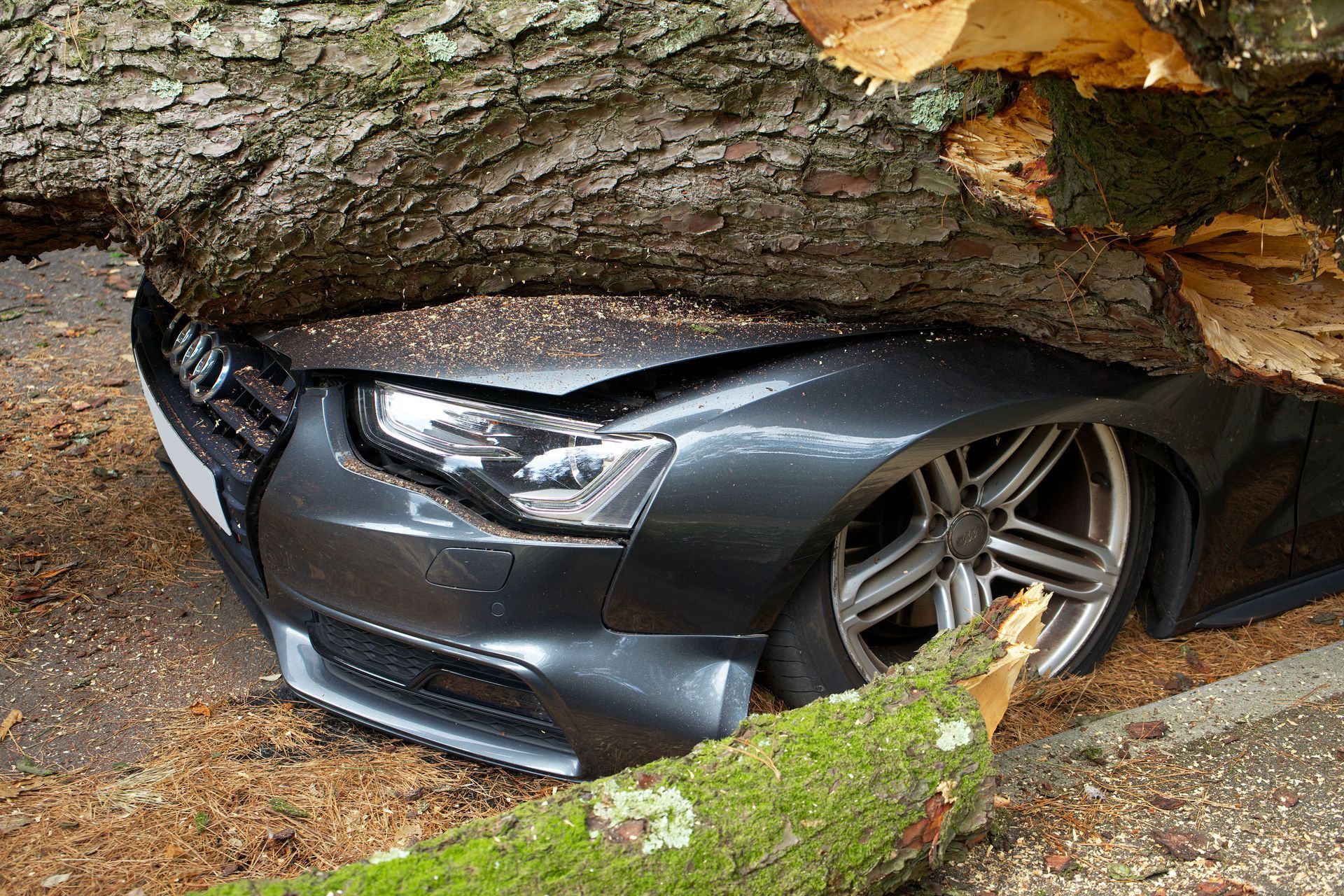
Walk the property and note leaning trees, cracked limbs, or poor structure. Cabling or bracing may be appropriate for valuable multi-stem specimens. Clear heavy debris from around bases for better drainage and to reduce ice/snow accumulation issues. Identify any trees that pose risks to structures, driveways, or power lines so removals or reductions can be scheduled before severe weather.
7. Planting Opportunities
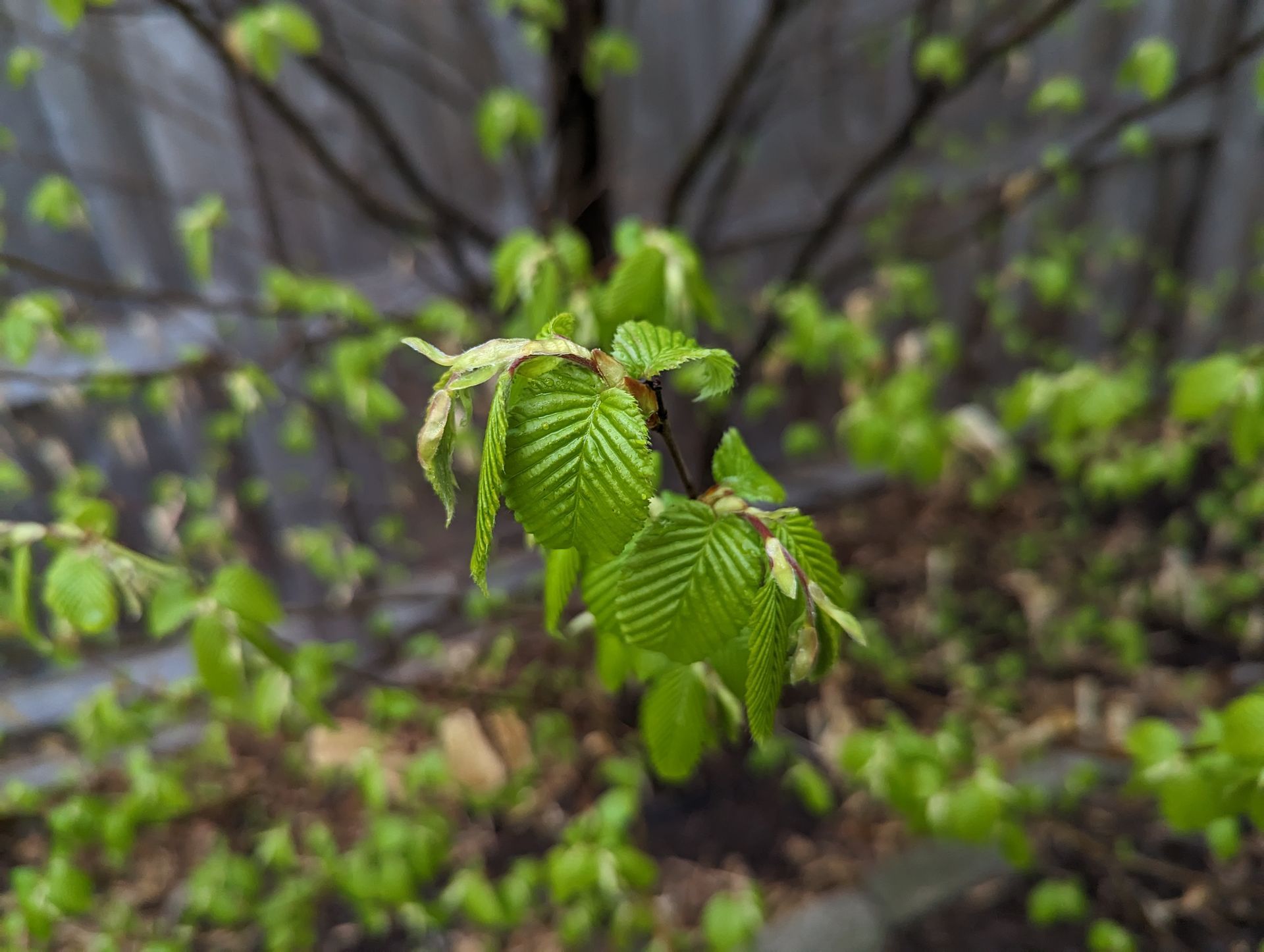
Fall is an excellent planting season in our climate. Cooler temperatures and usually adequate moisture help roots establish before winter. Choose regionally appropriate, hardy species and commit to watering until freeze-up.
When to Call a Professional
DIY works for basic mulching, light cleanup, and watering. Reach out to an experienced, insured tree service for:
- Large or complex pruning/removals
- Accurate pest/disease identification and treatment
- Risk assessments and structural support
- Emergency storm response (we offer 24/7 service)
- Full property evaluations and maintenance plans
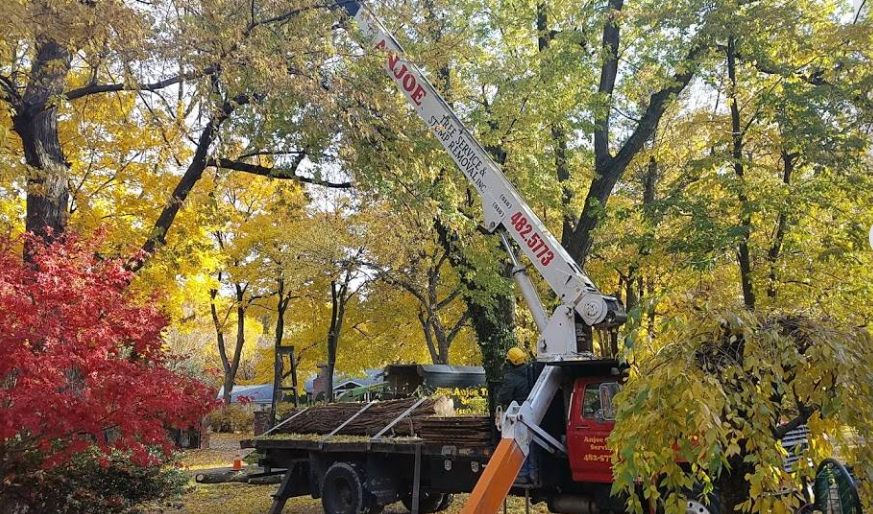
Anjoe Tree Service crews are led by ISA-certified arborists. We emphasize safety, proper technique, thorough cleanup, and environmentally responsible practices (including recycling removed wood into mulch or other beneficial uses). We’re fully licensed and insured, serving Albany, Schenectady, Troy, Clifton Park, Colonie, Latham, Delmar, and the wider Capital District.
Why Act This Fall?
Trees that receive solid fall care enter winter stronger, suffer less storm damage, and bounce back better in spring. It’s one of the highest-return investments you can make in your landscape’s long-term health, safety, and beauty.
Ready for a free property evaluation or seasonal care plan? Call us at 518-482-5773 or visit anjoetreeservice.com to get started. We’re here to help your trees thrive through fall, winter, and beyond.
Keep following the Anjoe Tree Service blog for more seasonal tips tailored to Upstate New York. Your trees—and your property—will thank you.
Anjoe Tree Service Field Notes