As the long days of high summer begin to shorten and cooler nights arrive across the Capital District, our trees shift from peak growth into a critical preparation phase for fall and winter.
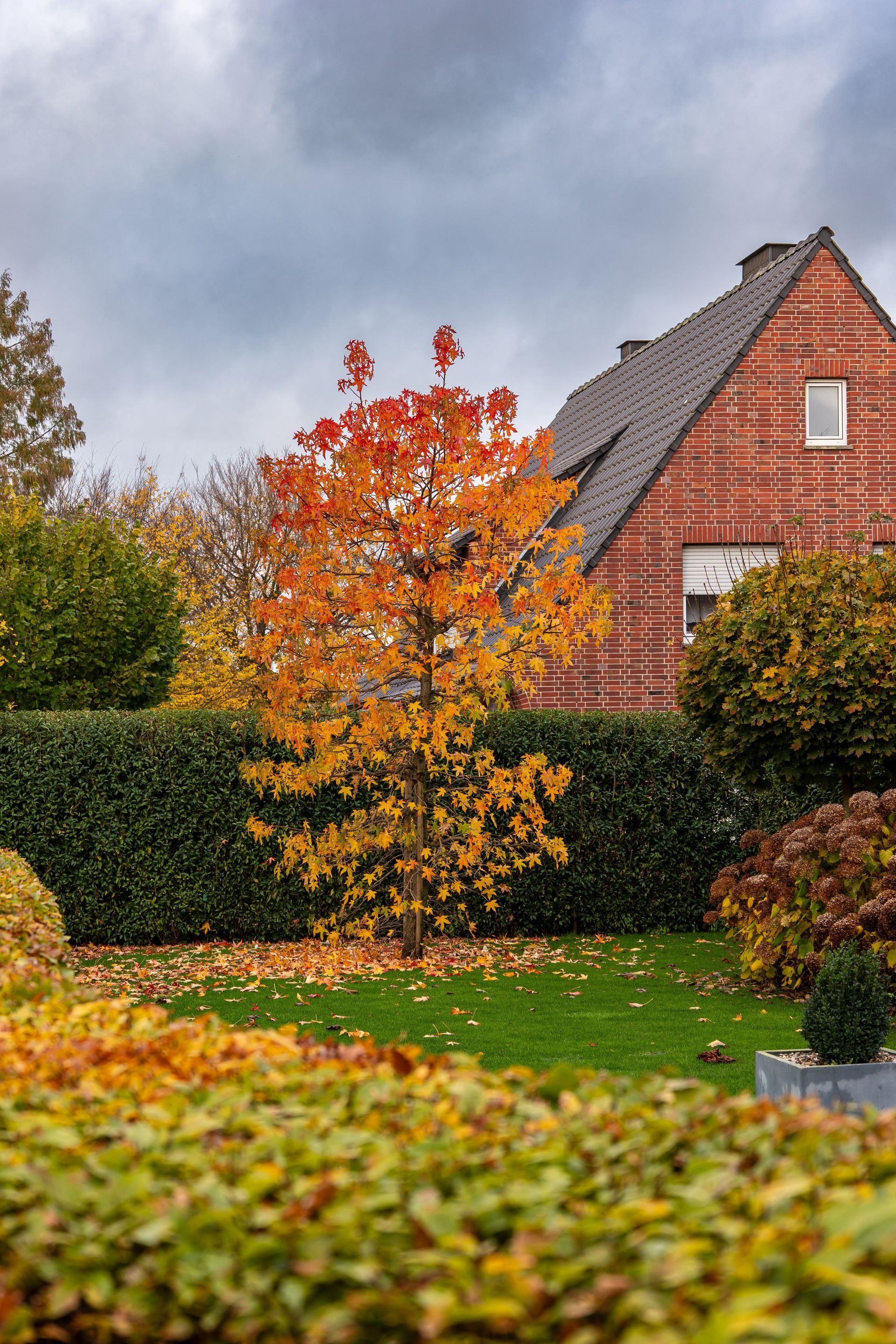
Late August and early September in Albany, Saratoga Springs, and surrounding Upstate New York communities often bring a mix of residual heat, occasional dry spells, heavy rain from late-season storms, and the first signs of leaf color changes—or, in some years, early leaf drop from stress or fungal issues.
At Anjoe Tree Service, with more than 35 years serving the region, we see this transition as one of the most important windows for homeowners. Trees that receive thoughtful care now enter fall stronger, better equipped to handle wind, early frosts, and the demands of dormancy. Here’s a practical, locally focused guide to keep your landscape healthy and resilient.
Why Late Summer Care Matters in the Capital Region
By late summer, trees have largely completed their main growth flush. Energy now goes into hardening off tissues, storing carbohydrates in roots, and preparing for leaf drop. Challenges common here include:
- Residual drought stress or compacted soils after dry periods followed by heavy rain
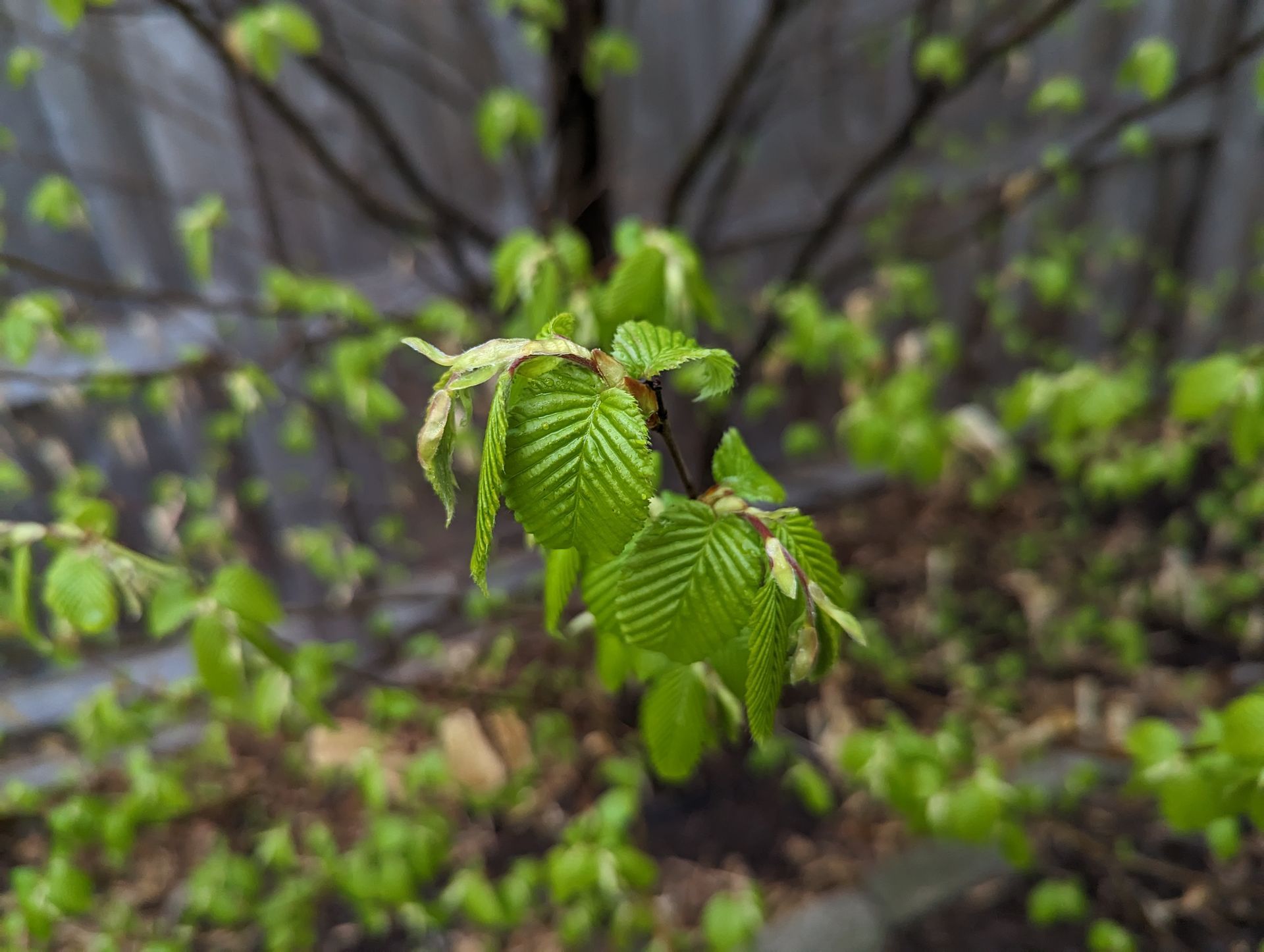
- Fungal issues such as tar spot, anthracnose, or leaf spots that show up as splotchy leaves and premature drop (especially on maples)
- Structural weaknesses that become more visible once canopies thin slightly
- Pest activity that can still stress trees heading into fall
Addressing these now reduces winter damage risk and supports healthier spring growth.
Late Summer Tree Care Checklist for Albany Homeowners
1. Assess Moisture and Water Wisely
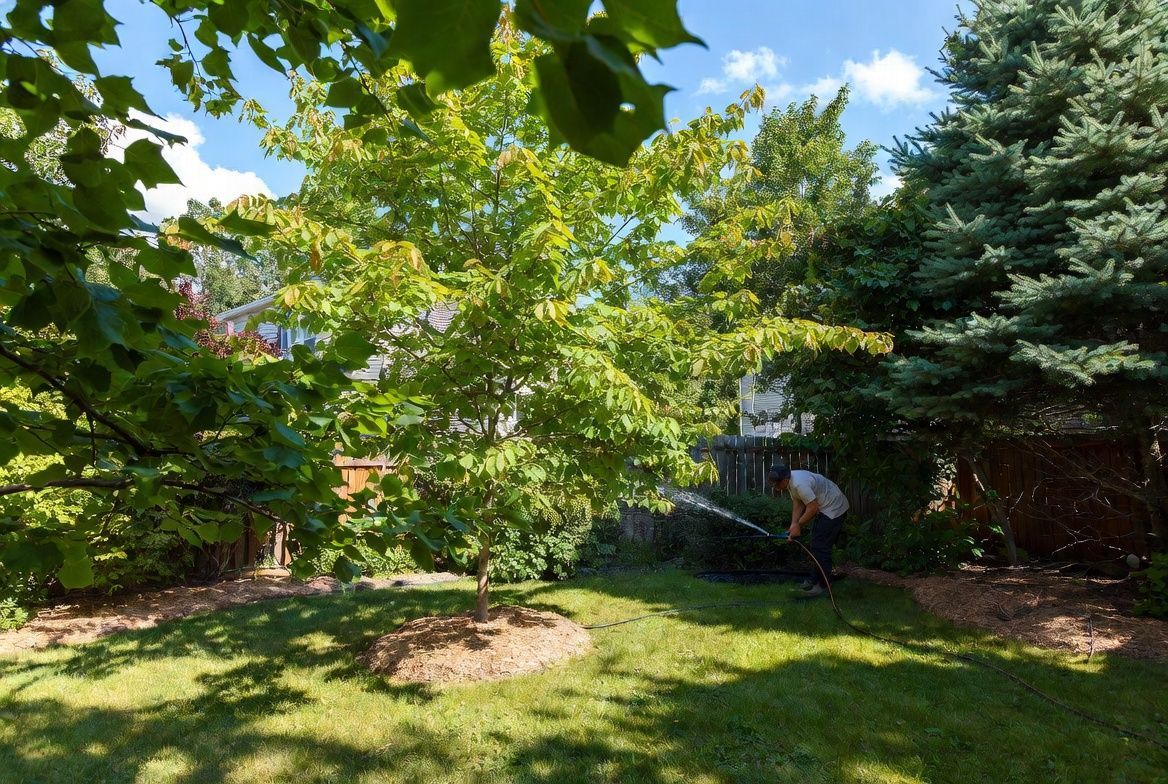
Mature trees usually need less supplemental water than in early summer, but young, newly planted, or recently stressed trees still benefit.
Action steps: Check soil 6–8 inches down near the drip line. Water deeply only if dry, aiming for 1–1.5 inches total, preferably in the morning. Avoid frequent light sprinkling. Ease off watering as cooler, wetter weather arrives to prevent root issues in clay-heavy local soils.
2. Maintain Mulch and Clear Debris
Refresh or top off the 2–4 inch organic mulch layer (wood chips or shredded bark) out to the drip line, keeping it a few inches from the trunk. Rake and remove fallen leaves and debris under trees showing fungal spots—this helps break disease cycles for next year. Avoid piling mulch against trunks (“volcano mulching”).
3. Light Pruning and Structural Checks
Late summer is suitable for limited corrective work once you can clearly see the full canopy.
What to do: Remove dead, damaged, or crossing branches. Thin for better air flow if needed. Address any storm-damaged limbs promptly. Avoid heavy pruning or cutting oaks unless it’s an emergency (to limit oak wilt risk). Major structural pruning is better left for the dormant season. For larger or higher-risk work, professional assessment is safest.
4. Monitor for Pests, Disease, and Early Leaf Drop
Inspect regularly for:
- Sticky residue, sooty mold, or curled leaves (aphids/scale)
- Skeletonized foliage (Japanese beetles lingering)
- Exit holes, thinning crowns, or wilting (borers)
- Dark spots, blotches, or early yellowing/browning leaves (fungal issues common after humid or fluctuating weather)
Rake infected leaves and dispose of them rather than composting on-site if disease is present. Most late-summer leaf problems are primarily aesthetic rather than lethal, but repeated stress compounds other issues.
5. Support Soil Health Without Pushing Soft Growth
Skip high-nitrogen fertilizers now—they can encourage tender growth that won’t harden off before frost. If a soil test (available through Cornell Cooperative Extension) shows deficiencies, focus on slow-release or organic options that support root systems. A light compost top-dressing can help.
6. Prepare for Fall Storms and Transition
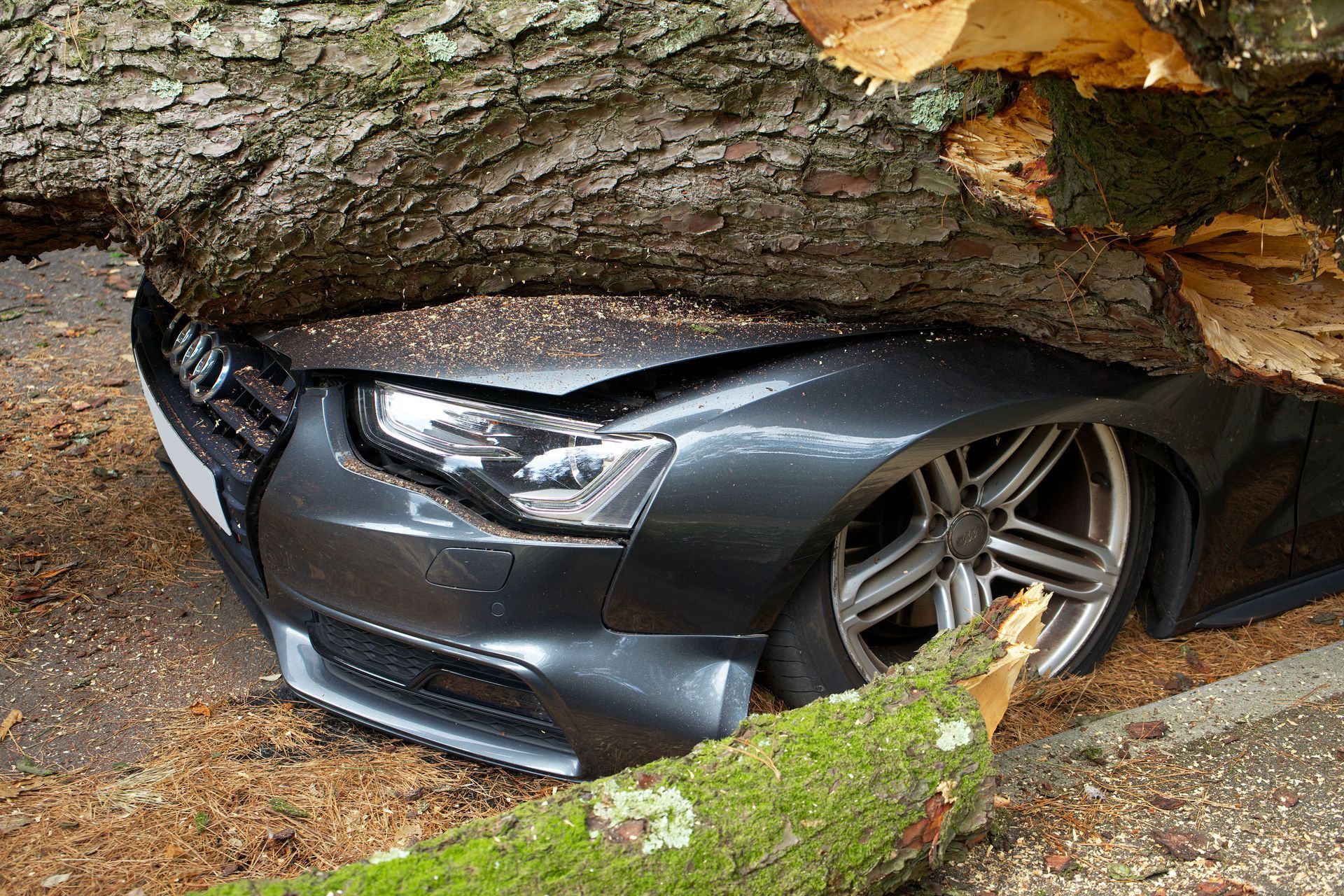
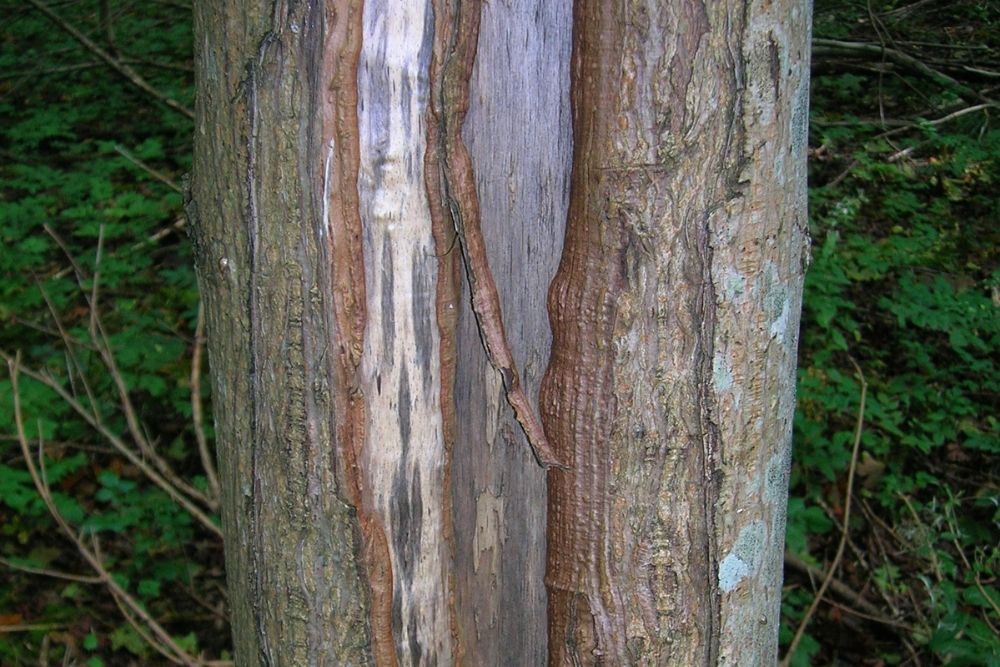
Walk your property and note any lean, cracks, included bark, or heavy limbs over structures, driveways, or power lines. Consider professional risk assessment for mature trees. Clear gutters and drainage areas near root zones. This is also a good time to plan fall planting of suitable native or well-adapted species if you’re adding trees.
When to Call a Professional
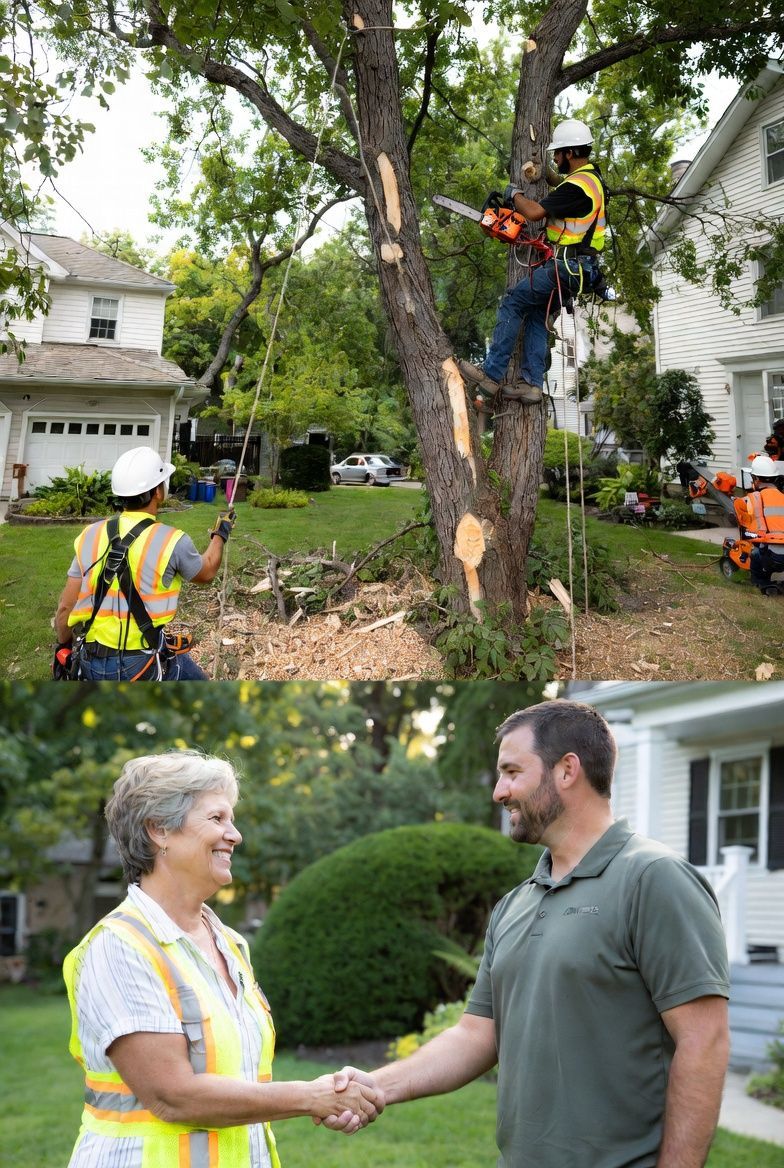
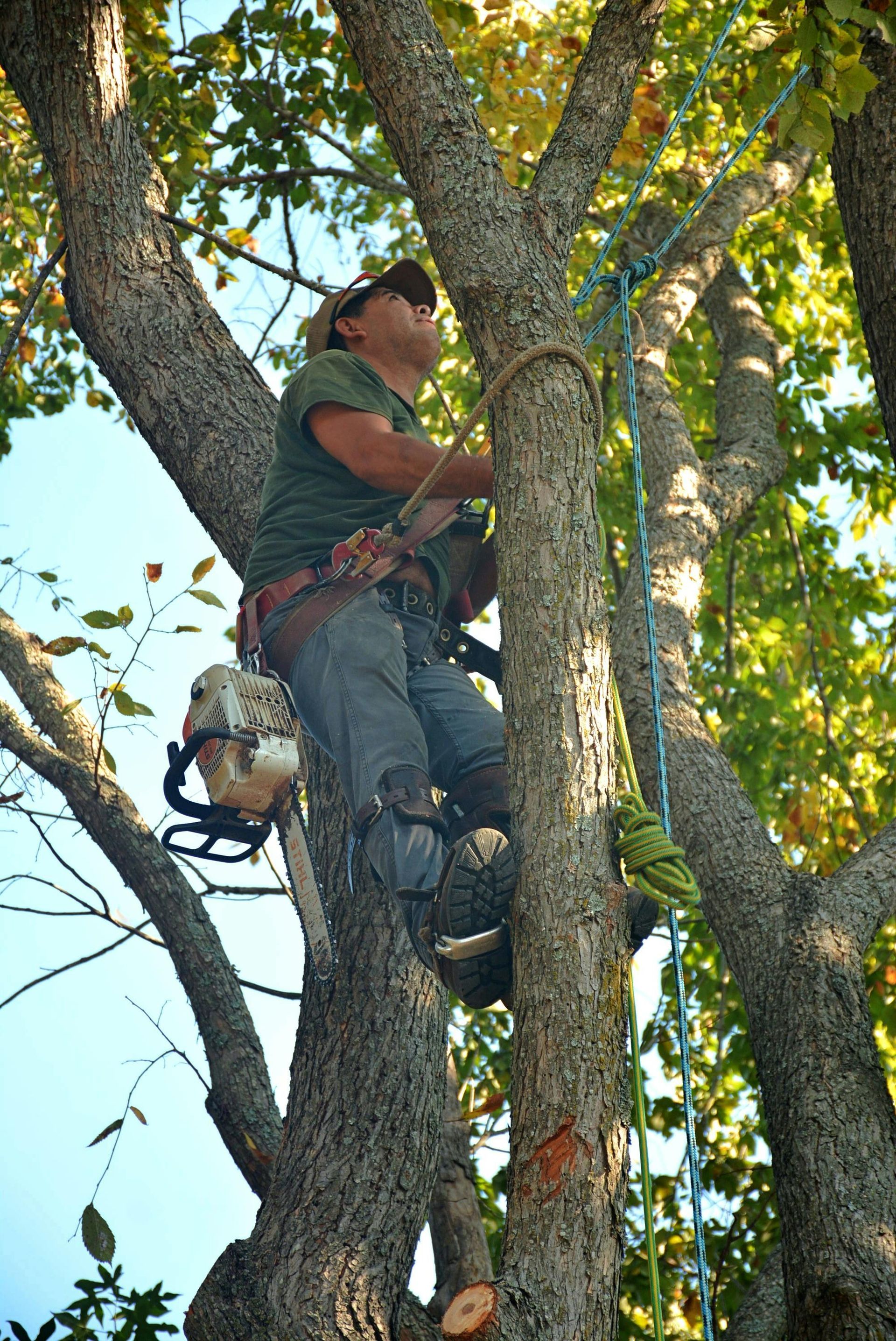
Homeowners can handle basic watering, mulching, and debris cleanup. Call certified help for accurate diagnosis of pests or disease, any work involving large limbs or height, structural support (cabling/bracing), risk evaluations, or comprehensive care plans. Anjoe Tree Service’s ISA-certified team uses methods suited to local conditions and prioritizes safety, cleanup, and long-term tree health.
Why Work with Anjoe Tree Service This Season?
We deliver practical, property-respecting care backed by decades of Capital District experience. From free consultations to full maintenance programs, our focus is protecting your trees, your property, and the local landscape.
Reach us at 518-482-5773 or visit www.anjoetreeservice.com for a no-obligation evaluation. Acting in late summer sets your trees up for a stronger fall and a healthier start next spring.
Conclusion
Late summer tree care in Albany and Upstate New York is about finishing the growing season strong: managing moisture, cleaning up disease sources, making targeted structural improvements, and avoiding practices that create winter vulnerability. Follow these steps and your trees will reward you with better resilience and beauty.
Keep following the Anjoe Tree Service blog for more seasonal insights tailored to the Capital District. Your landscape—and the local ecosystem—will thrive.
Anjoe Tree Service Field Notes