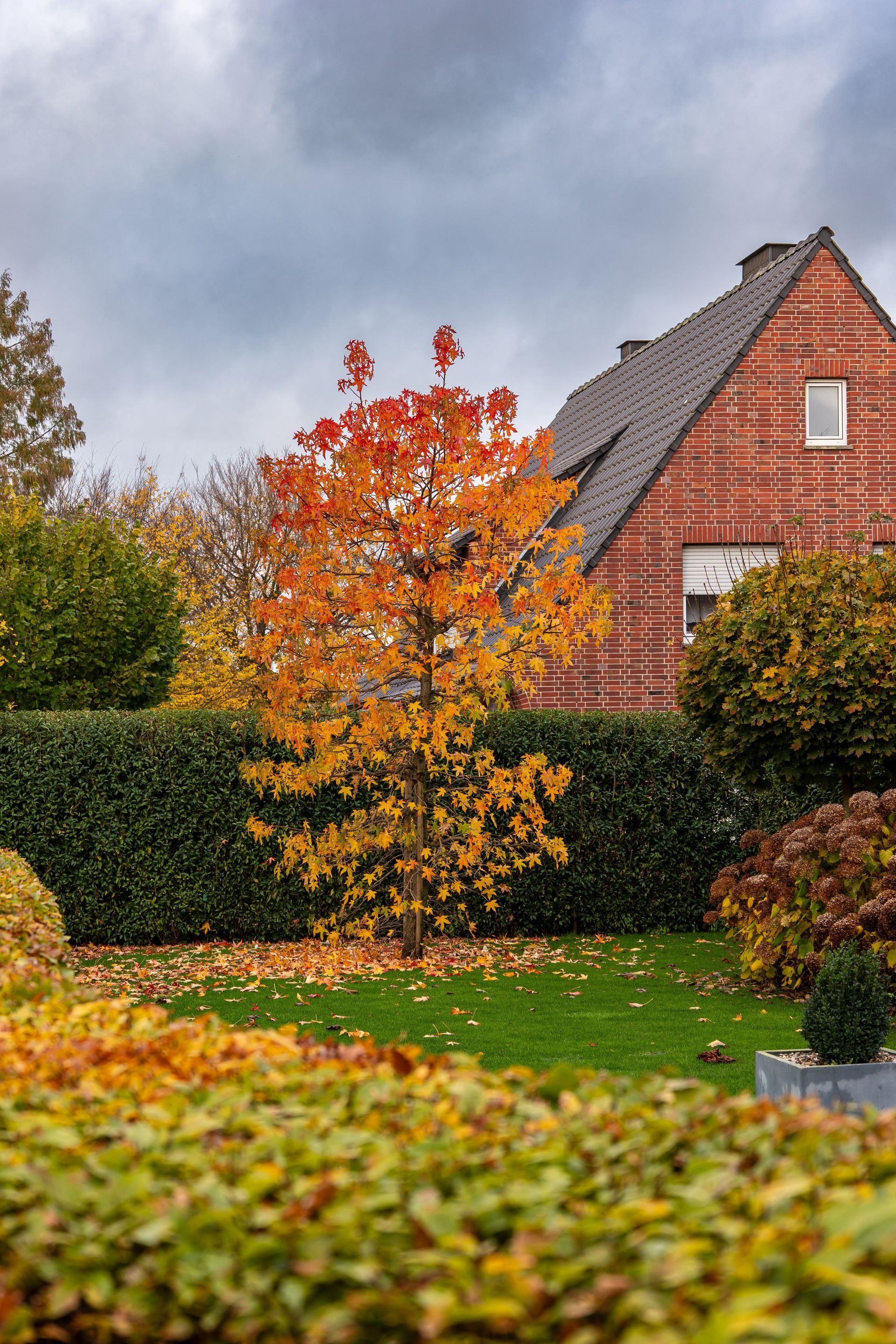

As spring blooms fade and the long, warm days of early summer settle over the Capital District, our trees are in full leaf and pushing vigorous new growth.
At Anjoe Tree Service, with more than 35 years serving Albany, Saratoga Springs, and surrounding Upstate New York communities, we know this is a critical transition period. Early summer brings warmer temperatures, increasing humidity, and the start of potential drought stress or pest pressures that can impact tree health through the season.
Proper early summer care helps trees handle heat, conserve energy, and resist insects and diseases common in our region. In this guide, we'll share practical, locally tailored tips for homeowners to keep their landscapes thriving—from deep watering strategies to pest vigilance and more.
Why Early Summer Tree Care Is Essential in Upstate New York
By June, trees have leafed out fully, and energy demands rise with longer days and rising temperatures. Upstate NY summers can swing from rainy periods to dry spells, with occasional thunderstorms. Key reasons to act now:
- Moisture Management: Prevent drought stress as soil dries out.
- Pest and Disease Monitoring: Many insects become active; early detection prevents major damage.
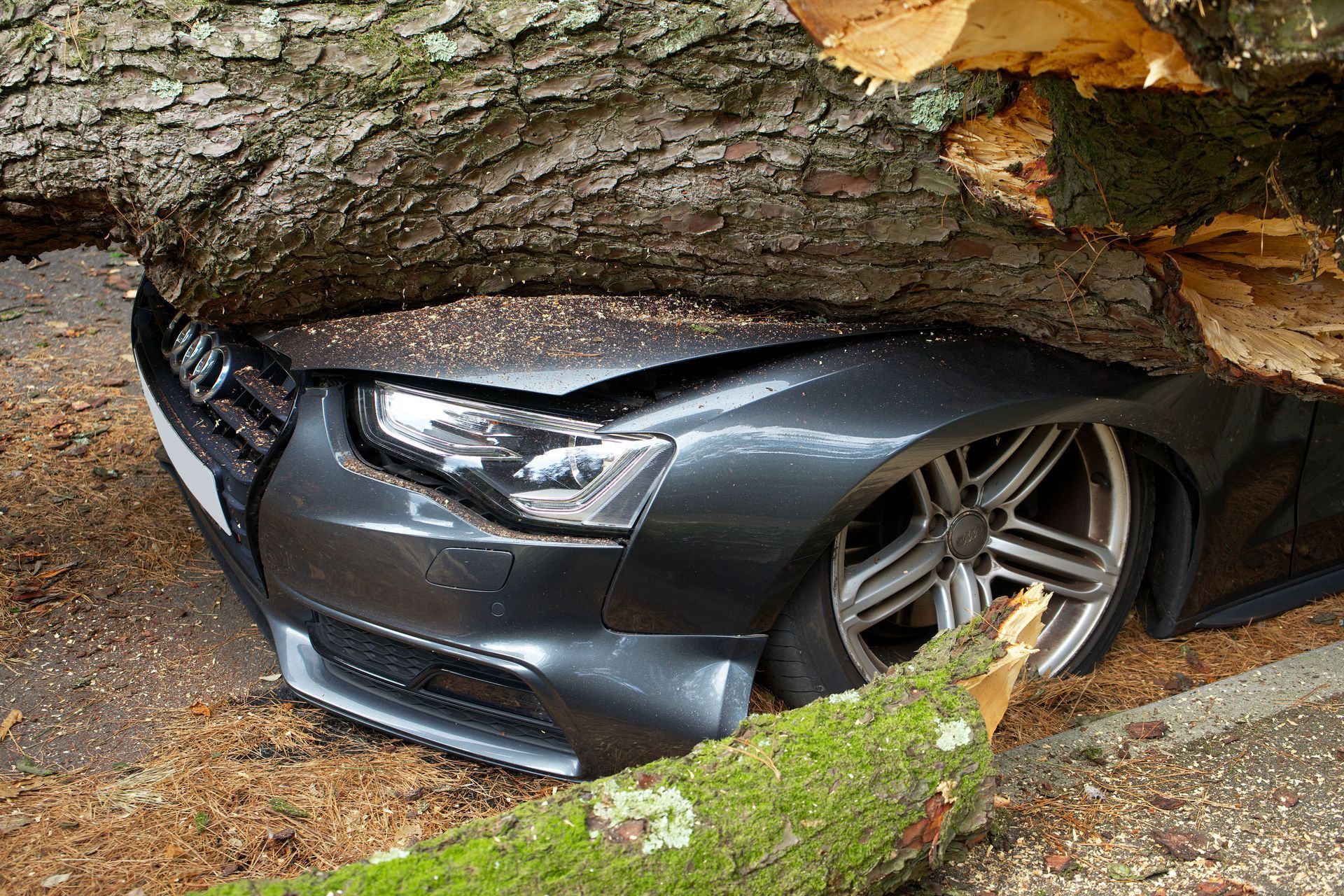
- Structural Support: New growth can create weak points vulnerable to wind and storms.
- Overall Vigor: Support healthy canopy development for shade, beauty, and property value.
Local trees like maples, oaks, pines, and birches face challenges from emerald ash borer, aphids, Japanese beetles, and fungal issues in humid conditions.
Early Summer Tree Care Checklist for Albany Homeowners
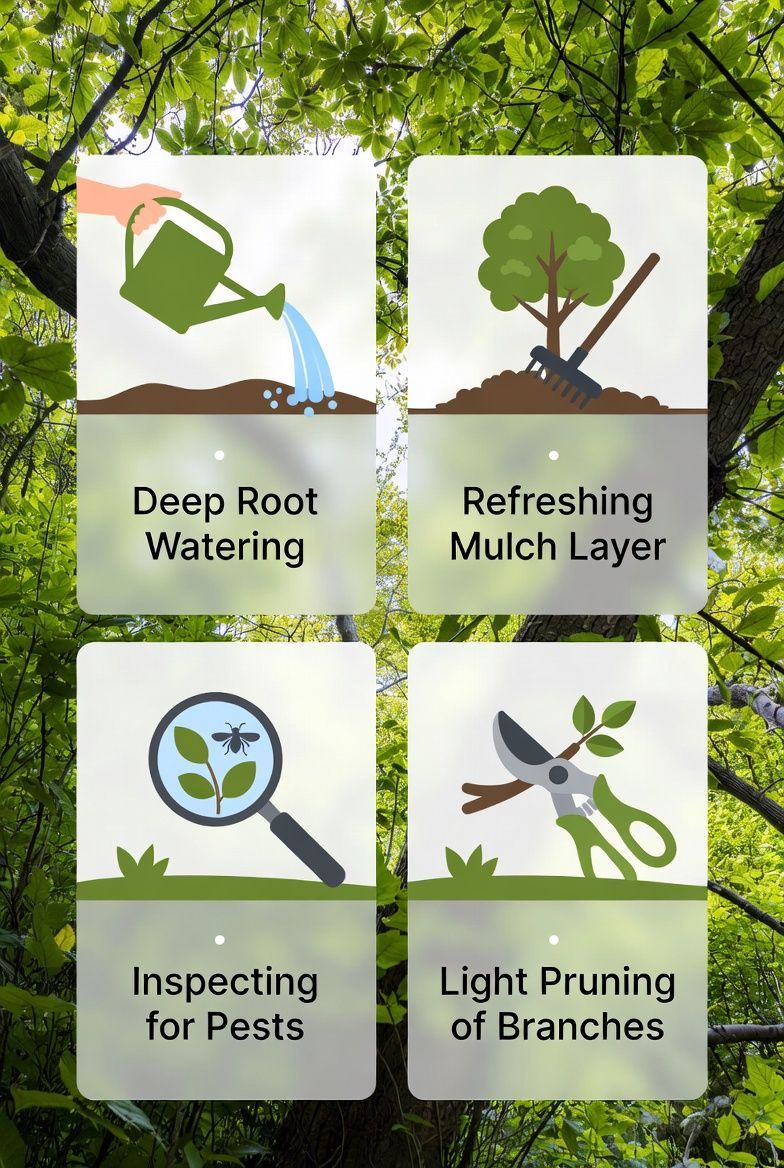
1. Deep Watering Strategies
Consistent deep watering is the foundation of summer tree health, especially for newly planted or young trees.
Action Steps:
- Water deeply 1–2 times per week during dry periods, delivering 1–2 inches of water to the root zone (out to the drip line).
- Use a soaker hose or slow sprinkler early in the morning to minimize evaporation.
- Check soil moisture 6–8 inches deep— it should feel cool and moist but not soggy. Clay soils in the Albany area hold water longer but drain poorly if overwatered.
Mature established trees are more resilient but still benefit during extended dry spells.
2. Mulch Maintenance
Mulch is your best friend for moisture retention and weed suppression.
Best Practices:
- Maintain a 2–4 inch layer of organic mulch (wood chips or shredded bark) extending to the drip line.
- Keep mulch 2–3 inches away from the trunk to avoid rot and pests.
- Refresh as needed—early summer is perfect before peak heat.
3. Pruning and Structural Care
Early summer is ideal for light pruning of many species once spring growth has hardened off.
What to Do:
- Remove dead, damaged, or crossing branches.
- Thin crowded areas for better air circulation (helps reduce fungal diseases).
- Address storm-damaged limbs promptly after thunderstorms.
- Avoid heavy pruning on oaks or stressed trees to minimize attraction to pests.
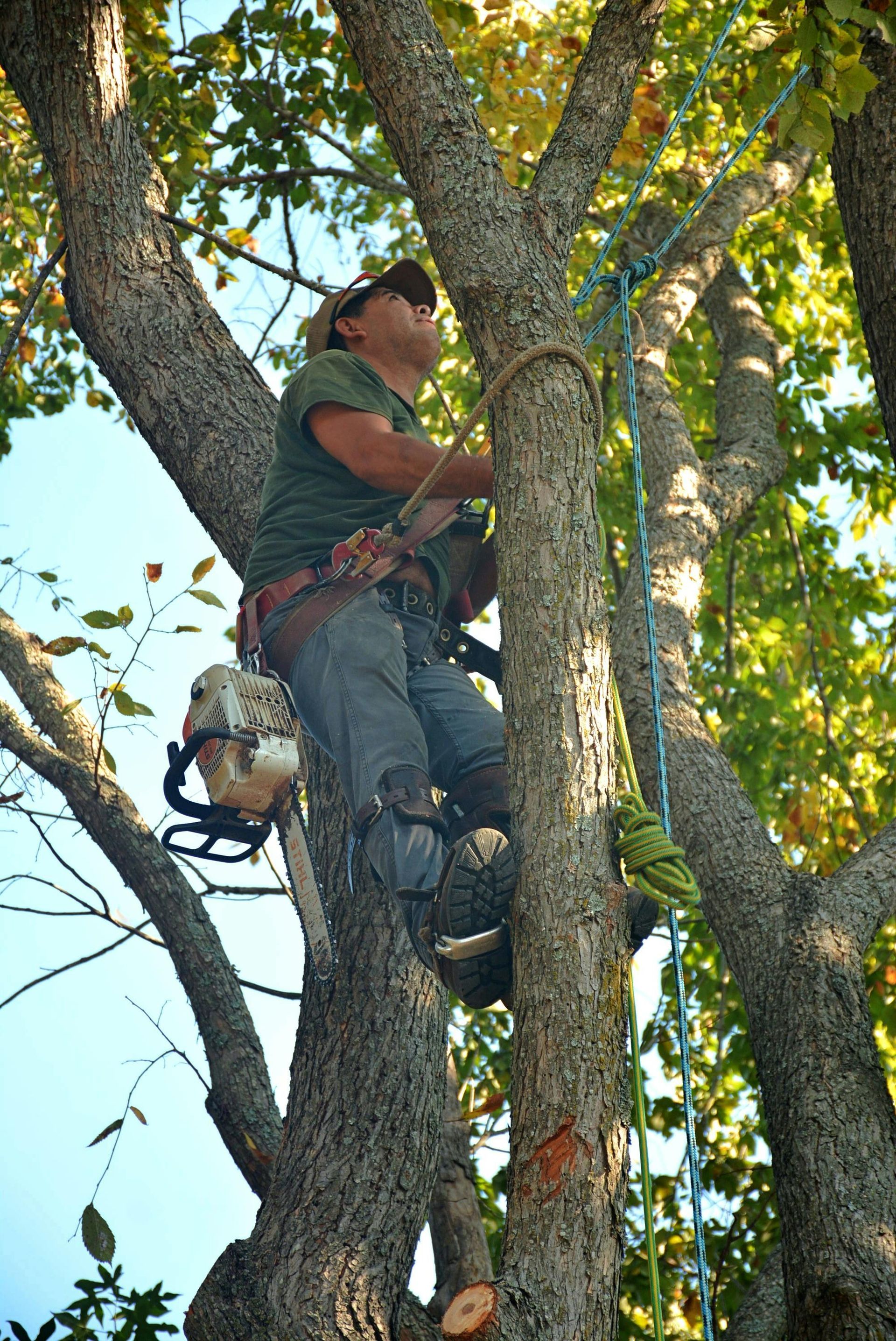
For large or complex work, trust certified arborists to ensure proper technique.
4. Vigilant Pest and Disease Inspection
Pests ramp up in early summer—catch them early.
Common Issues in the Capital Region:
- Aphids and Scale: Look for sticky honeydew, curled leaves, or sooty mold.
- Japanese Beetles: Skeletonized leaves on roses, lindens, and others.
- Borers (including Emerald Ash Borer): Wilting, exit holes, or thinning canopy.
- Fungal Diseases: Powdery mildew, anthracnose, or leaf spots in humid weather.
Tips: Inspect weekly, especially undersides of leaves. Remove heavily infested branches and consider targeted treatments. Remove fallen debris to break pest cycles.
5. Soil Testing and Fertilization
Avoid high-nitrogen fertilizers in summer, which can push soft growth vulnerable to stress.
- Conduct a soil test via Cornell Cooperative Extension for pH and nutrient needs.
- If deficiencies exist, use slow-release or organic options focused on root health.
- Compost top-dressing can provide gentle nutrition.
6. Storm Preparedness
Early summer thunderstorms bring wind, hail, and heavy rain.
- Inspect for weak branches or poor structure.
- Consider cabling/bracing for multi-stem trees.
- Clear debris from around bases to improve drainage.
7. Planting and Transplanting
Early summer can work for planting if you commit to watering, though spring and fall are preferred.
Guidelines:
- Choose heat-tolerant, native species suited to our zone.
- Plant properly and water consistently for the first 1–2 years.
When to Call a Professional Tree Service
DIY works for smaller tasks, but call experts for:
- Accurate pest/disease diagnosis and safe treatments.
- Large-scale pruning or removals.
- Structural assessments and risk evaluations.
- Comprehensive maintenance programs.
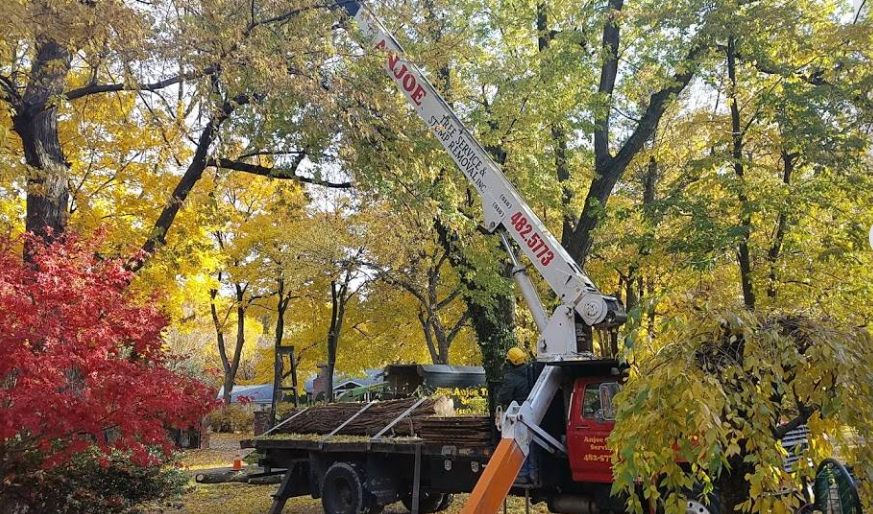
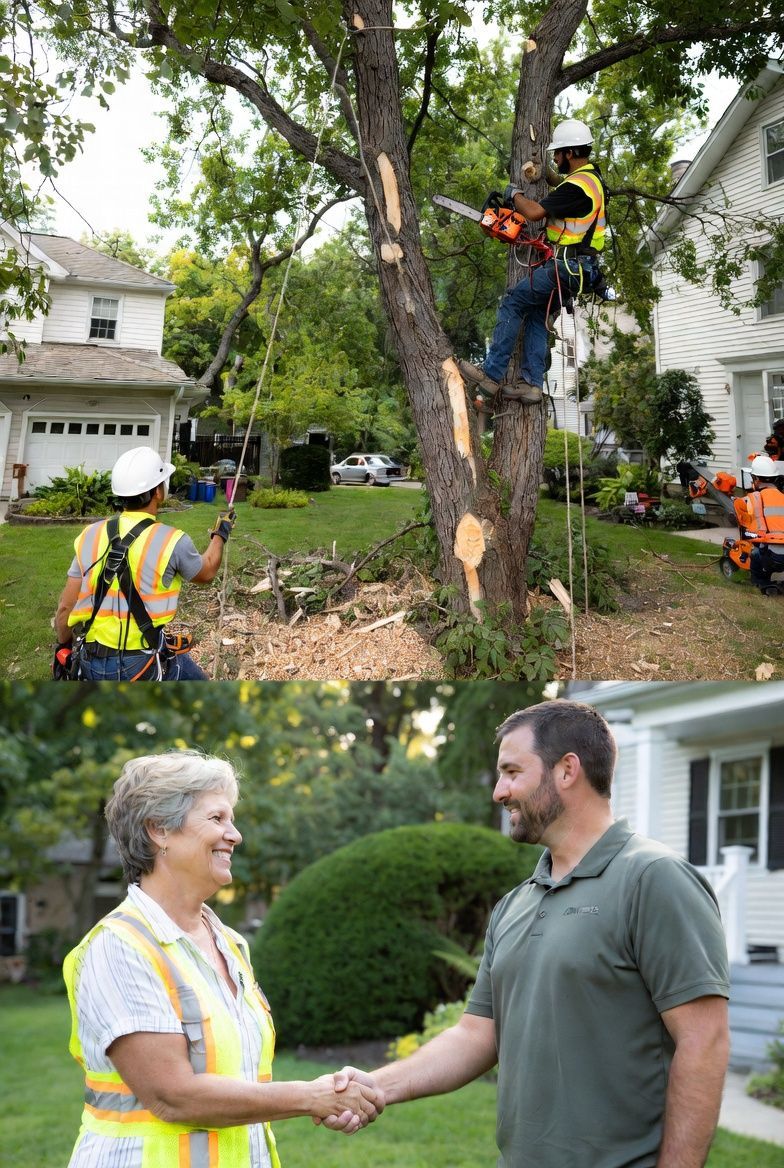
Anjoe Tree Service’s ISA-certified team uses proven, environmentally responsible methods tailored to local conditions.
Why Choose Anjoe Tree Service This Early Summer?
We deliver reliable, personalized care that protects your trees and property. From free consultations to ongoing programs, our focus is on long-term health, safety, and enhancing your landscape’s beauty.
Reach us at 518-482-5773 or www.anjoetreeservice.com for a no-obligation property evaluation. Act early to enjoy a vibrant, resilient summer canopy.
Conclusion
Early summer tree care in Albany and Upstate NY centers on proactive watering, pest monitoring, and light maintenance to support peak-season vitality. Following these steps will help your trees withstand heat, storms, and pests while contributing to a healthier environment.
Keep following the Anjoe Tree Service blog for more seasonal insights. Your landscape—and local ecosystem—will thrive!
Anjoe Tree Service Field Notes